Unfiltered, Unhinged, Unmissable: The Celebrity X Meltdowns That Made Us All Witnesses
There was a time — not so long ago, really — when a celebrity's social media presence was a carefully curated extension of their brand. Approved posts. Vetted captions. Publicist-reviewed everything. The whole operation ran like a very glamorous press release machine, and the most dangerous thing a famous person could do online was post a slightly awkward birthday message to a co-star.
That time is over. And the chaos that replaced it has been genuinely spectacular.
When the Guardrails Came Off
The inflection point, for most observers, was the ownership change at Twitter — now rebranded as X — in late 2022. The ripple effects were immediate and weird. Verification became a paid product, the moderation landscape shifted dramatically, and something in the cultural atmosphere seemed to give celebrities tacit permission to stop performing and start... whatever this is.
The result has been a rolling series of public moments that no crisis communications team would have signed off on, and that audiences absolutely cannot stop watching.
Kanye West — now legally Ye — has been the patron saint of the celebrity social media spiral for years, long predating the current era. His posts have ranged from genuinely alarming antisemitic rhetoric to surreal stream-of-consciousness riffs that read like a group chat with no admin. The industry response has been severe and well-documented: brand deals dissolved, partnerships ended, collaborators distanced. But the account remains, and the posting continues, and every new missive generates another news cycle. Whether that constitutes a "meltdown" or a very specific kind of performance art is a debate that has, at this point, outlasted several news presidencies.
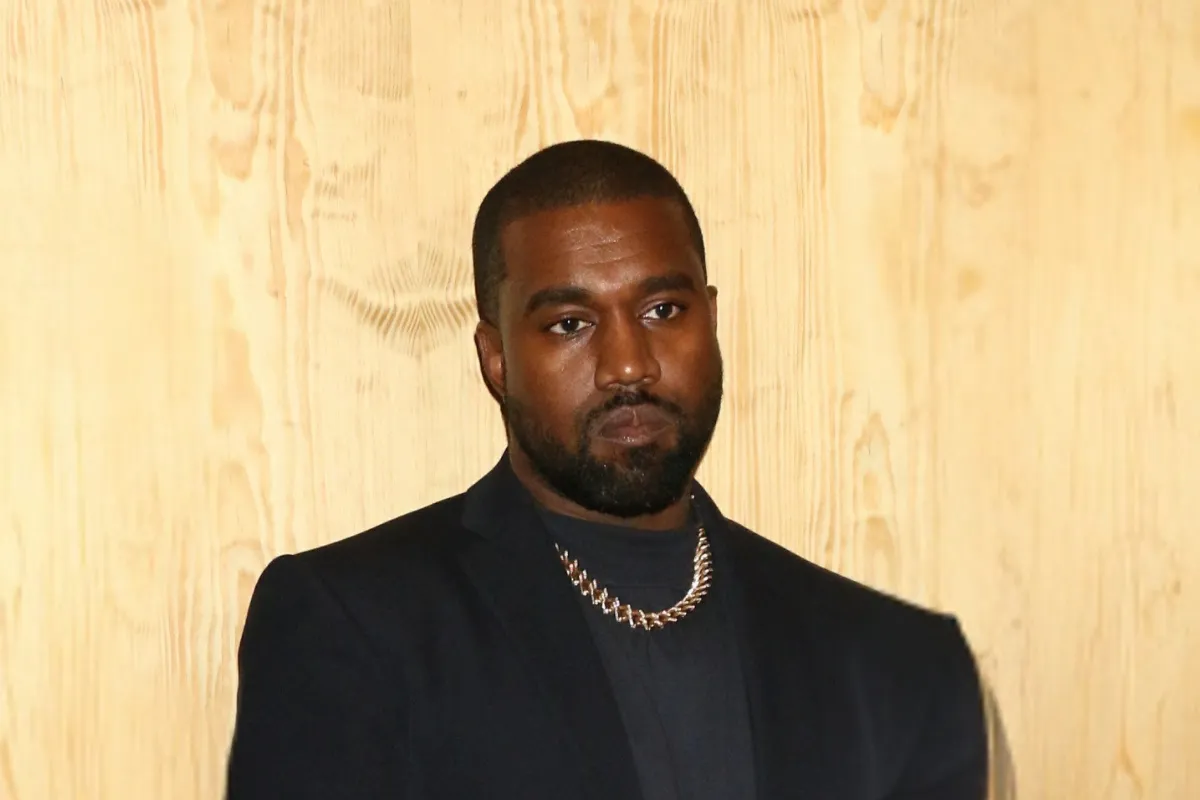 Photo: Kanye West, via s37284.pcdn.co
The Anatomy of a Celebrity X Spiral
Here's how it typically goes: a celebrity — usually one who has recently experienced some form of public friction, whether a bad review, a breakup, a business dispute, or a perceived slight — logs on. Maybe it's 2 a.m. Maybe it's not. They fire off something that their publicist would have intercepted in 2019. The internet screenshots it before the delete. The screenshot goes viral. The celebrity either doubles down, apologizes, or goes quiet — and each of those responses generates its own second act.
Elon Musk, now the platform's owner and its most powerful user, has become a case study in what happens when someone with enormous influence decides that posting without filters is not just acceptable but aspirational. His interactions with celebrities — and their increasingly exasperated responses — have become a micro-drama within the larger X ecosystem. When he waded into commentary about various musicians, actors, and public figures, the responses ranged from pointed clapbacks to dignified silence, with the latter arguably being the more devastating choice.
 Photo: Elon Musk, via www.businessinsider.de
The Ones Who Made Chaos Their Brand
Not every celebrity spiral is a disaster. Some stars have figured out that a certain flavor of unhinged posting is actually deeply good for their public profile.
Chrissy Teigen built an entire second career on being the celebrity who said what everyone else was thinking — until the receipts arrived and the strategy collapsed in a very public way. Her eventual return to social media was itself a case study in how to attempt a reset, though opinions remain divided on whether it fully landed.
Cardi B has consistently operated in a register that her publicist presumably has made peace with: direct, profane, occasionally chaotic, and almost always entertaining. When she engages with criticism or claps back at detractors, the posts are so distinctly her that they read less like meltdowns and more like a consistent brand expression. There's a difference between a celebrity losing control of their narrative and a celebrity whose narrative has always been "I will tell you exactly what I think," and Cardi has largely stayed on the right side of that line.
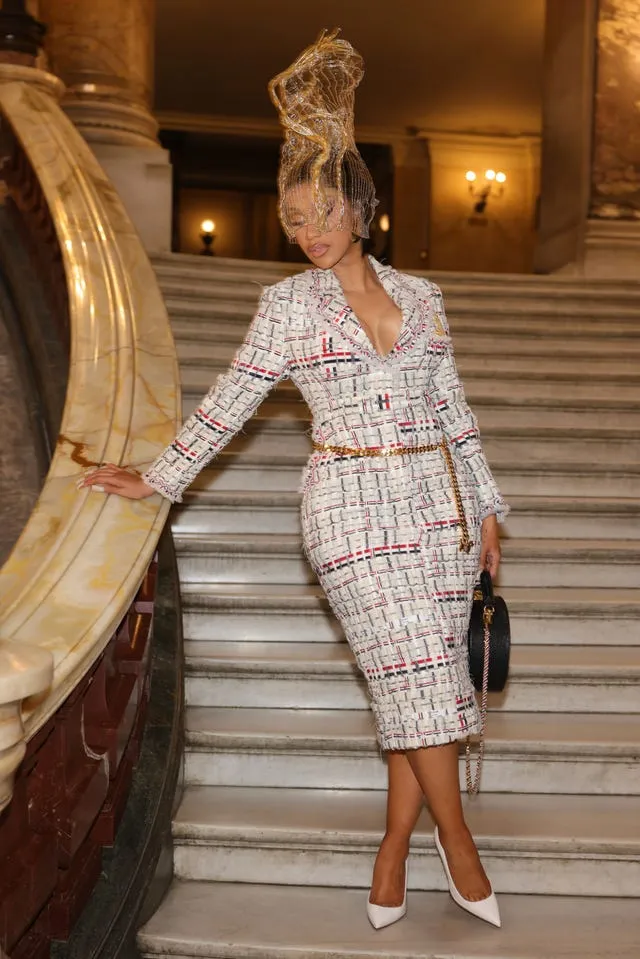 Photo: Cardi B, via hips.hearstapps.com
Azealia Banks occupies a more complicated position. For years, her posts have been simultaneously some of the most entertainingly unfiltered content on any platform and a recurring source of genuine controversy — directed at other celebrities, at fans, at institutions. The pattern is so established at this point that each new post arrives with its own built-in audience, half horrified and half riveted.
Can the Publicist Actually Stop This?
The honest answer, according to people who work in celebrity communications, is: sometimes, if they're lucky, and only if the client lets them.
The fundamental problem is structural. A famous person with their own phone and their own login has unilateral access to an audience of millions. No contract clause prevents a 3 a.m. post. No crisis team can unring that bell once the screenshot exists. The best publicists in the business will tell you — off the record, obviously — that the most they can do is try to establish trust and communication in advance, so that when the impulse strikes, the celebrity at least texts them first.
Some clients do. Some absolutely do not.
The Audience That Keeps Watching
Here's the uncomfortable truth at the center of all of this: the celebrity X spiral persists because it works. Not for the celebrities, necessarily — the fallout can be genuinely career-damaging — but for the platform and for the audience that can't look away.
There's something almost anthropological about watching a famous person abandon the performance of fame and just... post. Even when it's bad — especially when it's bad — it generates a kind of intimacy that no carefully curated Instagram grid can replicate. We're not watching the brand anymore. We're watching the person, or at least something that resembles one.
Whether that's a feature or a bug depends entirely on which side of the screenshot you're on.
The only thing more dangerous than a celebrity with a publicist is a celebrity who just fired theirs and still has the Wi-Fi password.