The Sit-Down That Saved Their Career: When One Conversation Completely Rewrote the Script
There is a moment, in the lifecycle of almost every major celebrity scandal, when the publicist stops returning calls from the tabloids and starts making a very different kind of call. Not to a lawyer, not to a crisis manager, not to a brand partner nervously watching their Q score — but to a journalist. A specific journalist. In a specific format. With a very specific set of ground rules already quietly agreed upon.
Because in Hollywood, the most powerful PR tool isn't a press release, a carefully worded statement, or even a tearful Instagram caption. It's a conversation. The right conversation. In the right room. With the right person asking the questions.
Welcome to the interview that changes everything.
The Oprah Effect: When the Couch Was a Confessional
If you want to trace the modern celebrity reset interview to its origin point, you start with Oprah Winfrey. For decades, her show functioned as the highest court in the land for celebrity redemption. To sit across from Oprah was to submit yourself to something that felt simultaneously like therapy, journalism, and a very public absolution ritual — and audiences responded to it with a level of emotional investment that no other format has ever quite replicated.
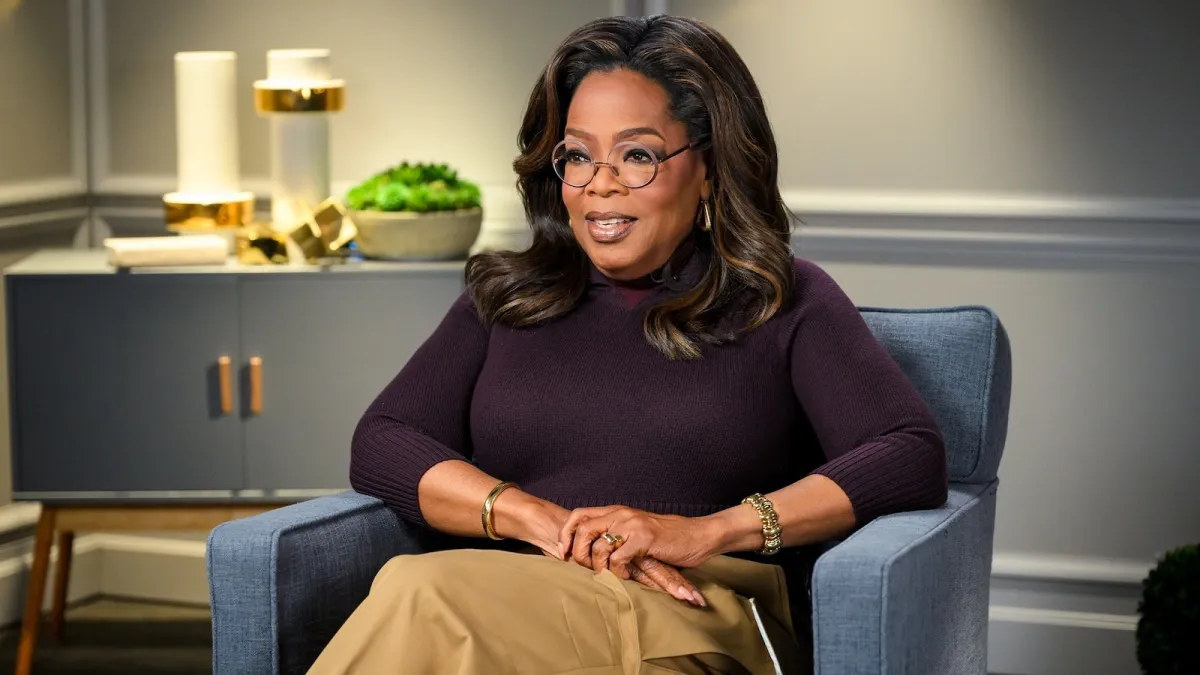 Photo: Oprah Winfrey, via i.abcnewsfe.com
The mechanics of it were deceptively simple: Oprah would ask the question everyone was thinking, the celebrity would answer in a way that felt unrehearsed (whether it was or not), and somewhere in the middle, a shift would happen. The celebrity stopped being a headline and became a person again. The audience, which had arrived skeptical, left feeling like they'd witnessed something real.
Whitney Houston's 2002 interview with Oprah remains one of the most-watched celebrity sit-downs in television history. It didn't fix everything — nothing could have, given the complexity of what Houston was navigating — but it did something more subtle and arguably more lasting: it reintroduced a human being to an audience that had spent years consuming only the tabloid version of her story. The crack-is-whack moment became a meme, but what surrounded it was a woman telling her own story in her own words for the first time in years. That mattered.
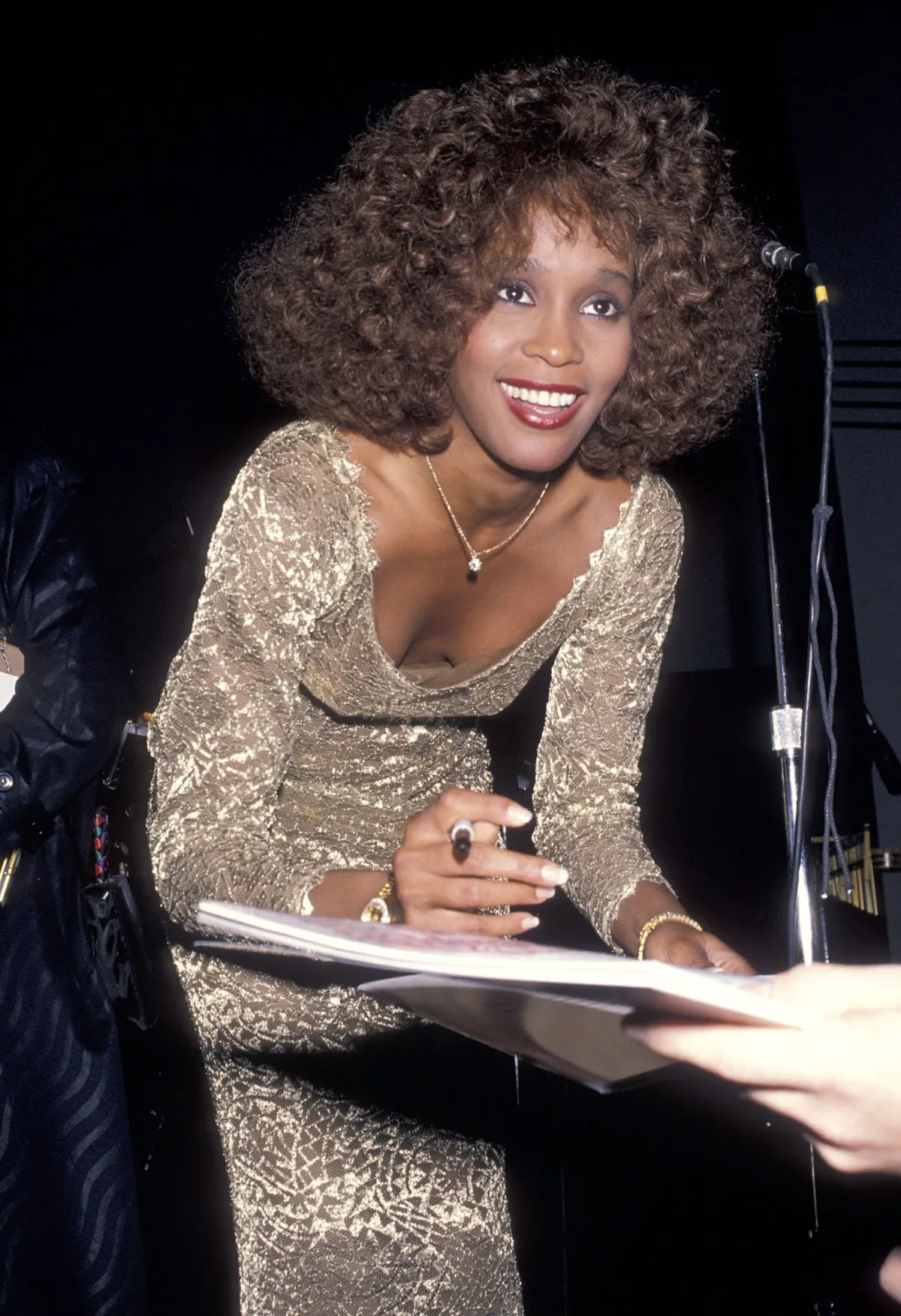 Photo: Whitney Houston, via www.essence.com
The Calculated Candor of the Nineties Confessional
Barbara Walters played a different game than Oprah, but the strategic function was similar. Walters had a gift for making celebrities feel safe enough to say things they'd never said publicly — and then making sure those things were heard by the largest possible audience. Her pre-Oscars specials became appointment television precisely because you never quite knew what was going to slip through the carefully constructed celebrity exterior.
The lesson that Hollywood absorbed from both Oprah and Walters wasn't just "do a big interview when you're in trouble." It was more specific than that: choose your interviewer like you're choosing a surgeon. The wrong person in that chair and the whole thing collapses. The right person and you walk out with your narrative reclaimed.
The Podcast Era Changes the Formula
Fast forward to 2025, and the interview-as-reset has undergone a significant evolution. The three-camera studio format has been largely replaced by the podcast couch, the YouTube sit-down, and the long-form conversation that runs two-plus hours and somehow feels more intimate than anything that ever aired on network television.
Jared Leto's career trajectory offers one lens on this. After years of press that focused heavily on his more eccentric Method acting practices, Leto began doing longer-form interviews that allowed him to contextualize his process in his own words, without the time constraints that tend to produce the most quotable — and most decontextualized — soundbites. The shift in coverage wasn't dramatic, but it was measurable.
The more striking modern example is the way Britney Spears used her 2021 court testimony — not technically an interview, but functioning as one in the cultural conversation — to completely reframe thirteen years of public narrative. She didn't sit across from a journalist. She spoke directly to a judge, and the world listened. The result was arguably the most significant celebrity reputation reset of the decade, achieved without a single publicist-approved talking point.
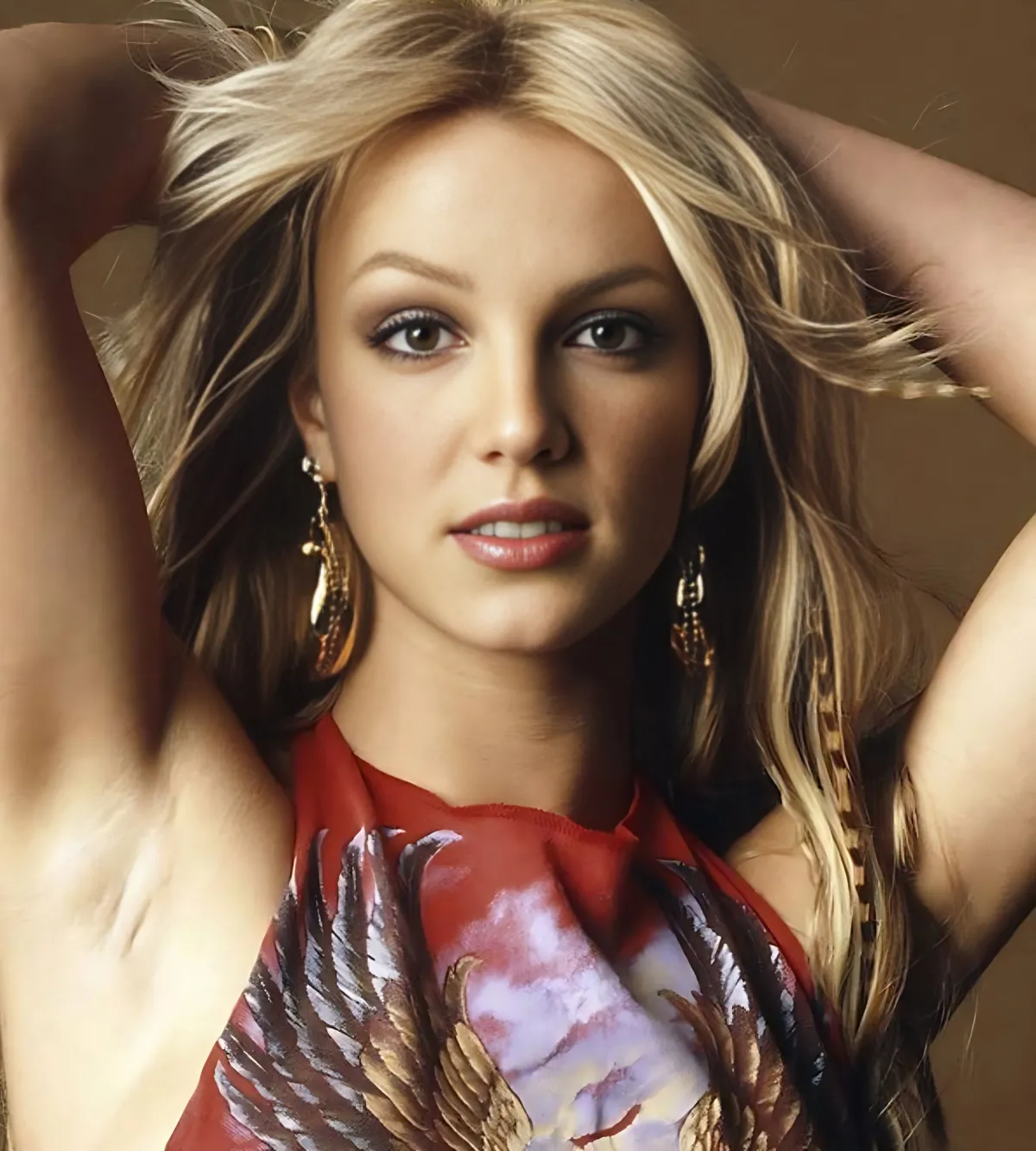 Photo: Britney Spears, via celebritate.com
For a more conventional recent example: Adele's various press tours have demonstrated a near-perfect mastery of the calibrated personal disclosure. She shares enough to feel genuinely open — her divorce, her fitness journey, her complicated relationship with fame — while maintaining clear boundaries around what stays private. The effect is that audiences feel like they know her, which is the goal, without her ever actually giving away the parts of herself she's chosen to protect.
The Anatomy of a Perfect Reset Interview
So what actually makes one of these conversations work? Entertainment industry veterans who've helped orchestrate them — speaking generally, not about specific clients — have identified a few consistent elements.
First: timing. A reset interview that drops too soon after a scandal feels defensive. Too late, and the narrative has already calcified. The sweet spot is usually three to six months after the peak of the crisis — long enough for the immediate noise to die down, early enough that the story is still culturally relevant.
Second: format length. Shorter formats (morning shows, quick sit-downs) are better for simple, clean messages. Longer formats are better for complexity — for celebrities who need to walk an audience through a nuanced situation rather than deliver a single corrective quote.
Third, and most critically: the choice of interviewer. The best celebrity reset interviews happen with journalists who are respected enough that the conversation carries credibility, but who also have a demonstrated ability to create an environment where the subject feels comfortable enough to be genuinely revealing. That combination is rarer than it sounds.
Who's Mastered It in the Modern Era
Demi Moore's recent press run for her memoir Inside Out is a case study in how to deploy long-form candor strategically. By choosing interviewers known for substantive conversation rather than gotcha moments, and by going further in her disclosures than anyone expected, Moore transformed a narrative that had been largely defined by her relationship history into something more fully her own.
Pharell Williams, in the lead-up to his debut collection for Louis Vuitton, gave a series of interviews that reframed his entire career arc — not as a hitmaker who'd gotten lucky in fashion, but as someone who had been building toward this moment for decades. The interviews didn't just promote a collection. They authored a legacy.
The Uncomfortable Truth About All of This
Here's what the entertainment press rarely says out loud: the best reset interviews are, to varying degrees, orchestrated. The "surprising" moment of vulnerability was discussed in advance. The "unexpected" question was anticipated. The tears, if they came, were not necessarily manufactured — but they were not entirely unprepared for either.
None of that makes the emotion less real, necessarily. But it does mean that when you watch a celebrity sit down for the interview that changes everything, you're watching something that exists at the intersection of genuine human experience and very sophisticated media strategy. Both things can be true simultaneously.
The audience knows this, on some level. And they participate anyway. Because a good story, told well, by someone who seems like they mean it — that still works. It has always worked. And in 2025, with more platforms and more noise than ever before, knowing how to tell your own story remains the most valuable skill in the entire celebrity business.
The microphone is always on — the only question is whether you picked the right room to walk into.