Go Dark, Come Back Harder: The Celebrity Disappearing Acts That Rewrote the Rules of Fame

In an industry that rewards constant visibility — where the algorithm punishes anyone who dares take a weekend off — the most counterintuitive career move a celebrity can make is to simply disappear. No posts. No interviews. No carefully staged airport paparazzi shots. Just... gone. And yet, for a very specific, very strategic subset of entertainers, that's exactly the play that changed everything.
This isn't a story about burnout, breakdowns, or the kind of hiatus that comes with a carefully worded statement from a publicist. This is about the celebrities who looked at the relentless content machine, said not today, and used the resulting silence as the loudest possible statement they could make. Welcome to the art of the calculated disappearance.
The Queen Goes Dark
Let's start where any serious conversation about celebrity power moves has to start: Beyoncé.
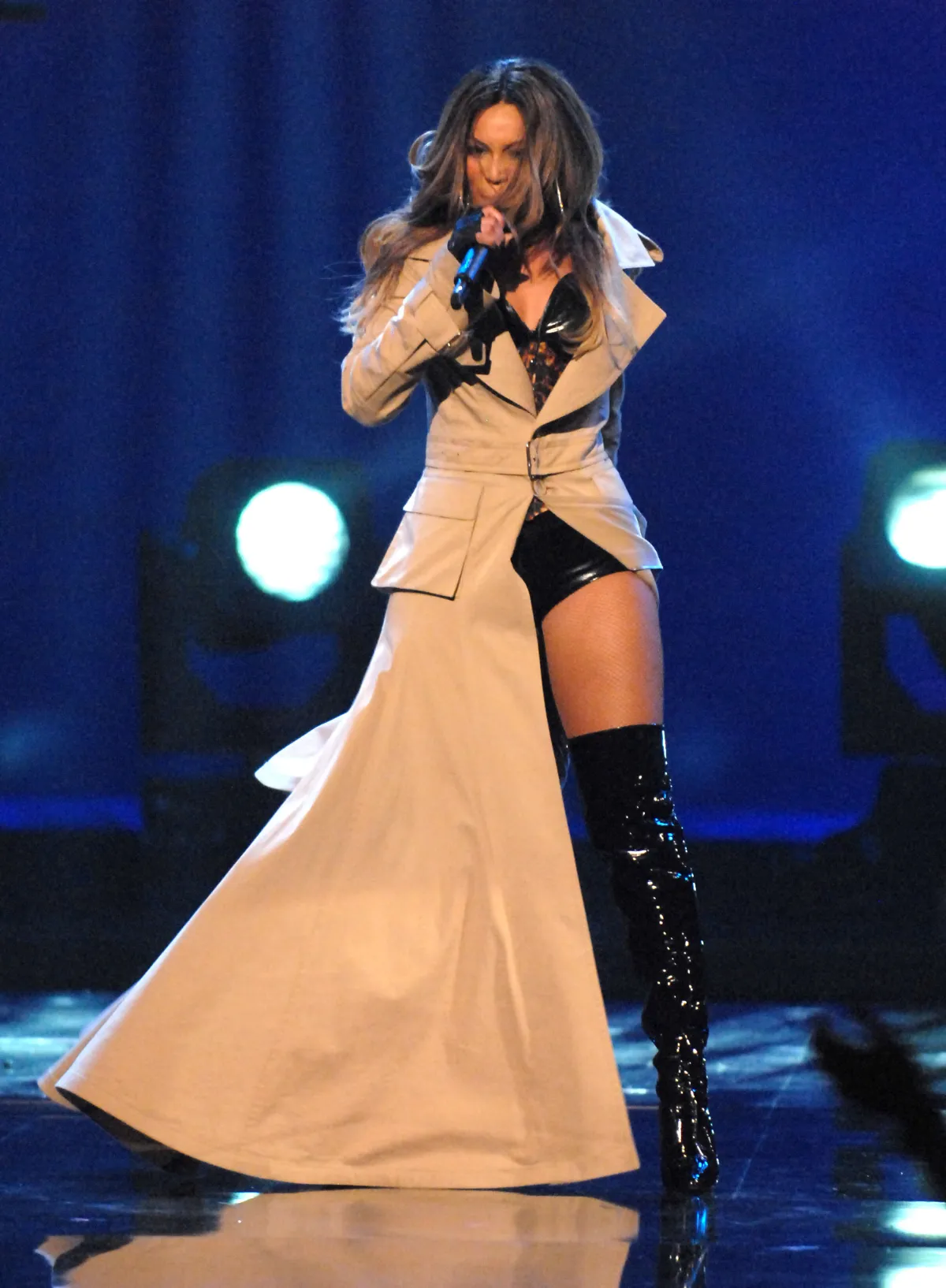 Photo: Beyoncé, via www.essence.com
In the years between Lemonade (2016) and Renaissance (2022), Beyoncé didn't just slow down her public presence — she essentially evaporated from the cultural conversation on her own terms. No press tours. Minimal social media. Carefully controlled appearances. And when she finally re-emerged with Renaissance, the album didn't just perform well — it became a cultural event that dominated summer 2023 and launched one of the highest-grossing concert tours in recorded history.
The silence wasn't accidental. It was architecture. By removing herself from the daily churn, Beyoncé transformed every reappearance into a moment. The scarcity was the strategy. As music industry analyst Lyor Cohen has noted in various interviews, the artists who control their own narrative are the ones who understand that attention is a finite resource — and flooding the market devalues the currency.
Adele's Disappearing Act (And the Return That Broke the Internet)
Adele is arguably the gold standard of the strategic hiatus done right. After 25 in 2015, she went largely quiet for six years. Six. Years. In pop music terms, that's roughly four career lifetimes. Conventional wisdom said she was finished as a commercial force. The streaming era had moved on. New names had filled every available inch of the cultural space she'd left behind.
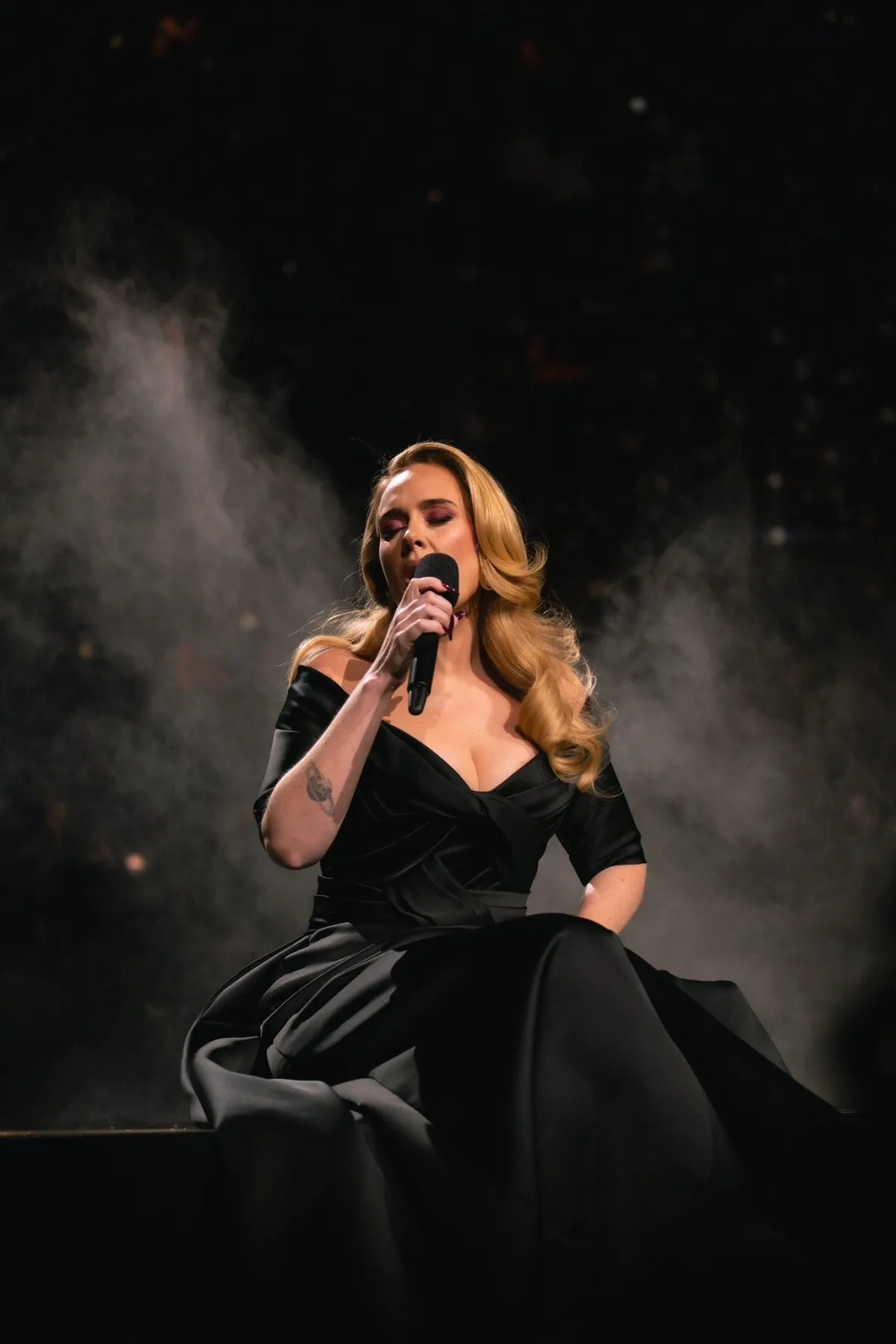 Photo: Adele, via www.starstyle.com
Then 30 dropped in November 2021, and it became the fastest-selling album of the year. Her One Night Only CBS special drew 10.4 million viewers. Her Las Vegas residency — after a famously chaotic postponement that itself became a whole news cycle — sold out in minutes.
What Adele understood, perhaps instinctively, is that absence doesn't breed forgetting in the case of genuine talent. It breeds anticipation. The internet didn't move on from Adele — it held a space for her, refreshed the page, and waited. When she came back, the emotional reunion energy was off the charts.
Taylor Swift's Reputation Era: The Disappearance as Rebrand
Not every hiatus is about rest. Sometimes it's about controlled demolition and reconstruction. After the Reputation rollout in 2017, Taylor Swift spent the better part of a year essentially erasing her previous public identity. She wiped her social media. She let the old narrative die. She gave the internet nothing to feed on.
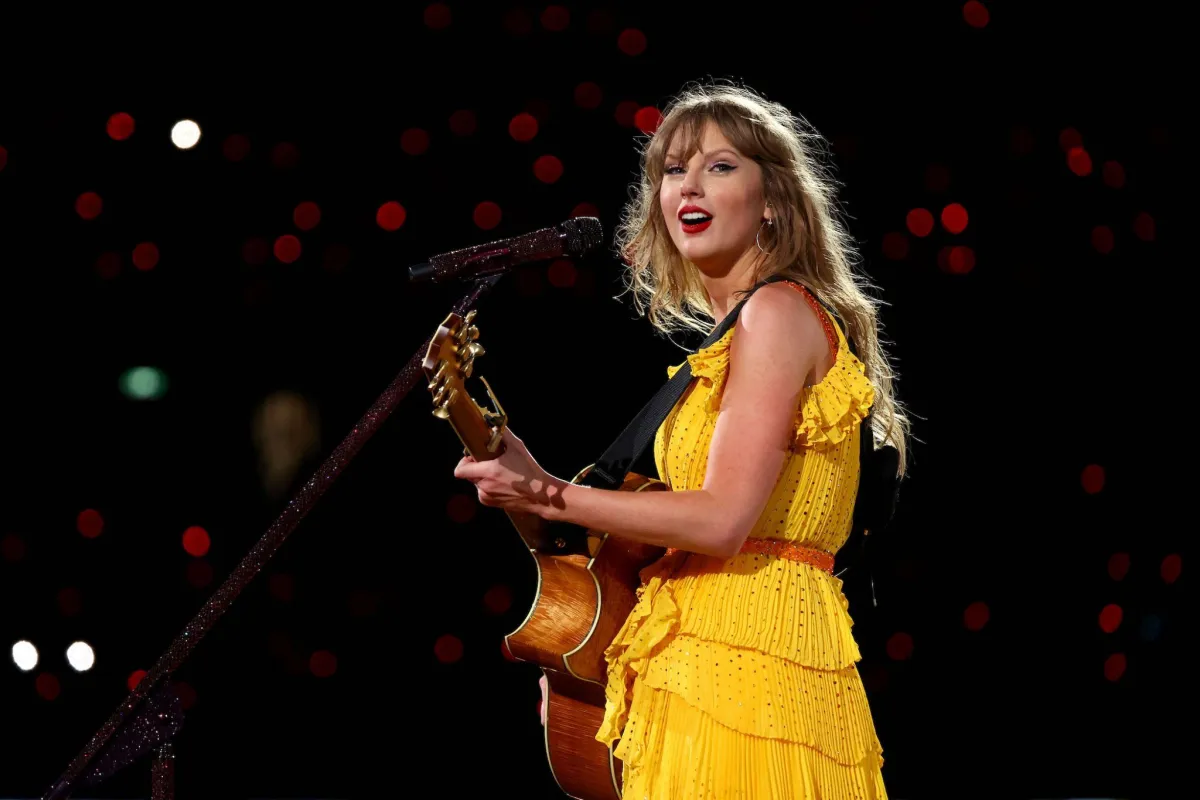 Photo: Taylor Swift, via images.lifestyleasia.com
The result? When Reputation dropped, it felt like meeting a stranger wearing a familiar face. The silence had done the rebranding work that no press tour could have accomplished. Swift has since spoken in her own documentary Miss Americana (Netflix, 2020) about the conscious decision to step back — not just for mental health, but because she recognized that the version of herself the public had constructed needed to be dismantled before something new could be built.
It worked. Reputation sold over a million copies in its first week in the US alone, per Billboard, and the subsequent Lover, Folklore, Evermore, and Midnights eras cemented her as perhaps the defining pop artist of her generation.
The Ones Who Didn't Make It Back
Here's the part nobody likes to talk about: the hiatus doesn't always work. For every Adele, there's a cautionary tale — an artist who stepped back expecting a triumphant return and found the spotlight had simply moved on.
The difference, according to entertainment industry observers, tends to come down to a few key variables. Was the absence chosen or forced? Did the celebrity maintain enough ambient cultural presence — through legacy, fan community, or strategic micro-appearances — to keep the embers warm? And critically: did they come back with something genuinely worth the wait?
A silence followed by something mediocre is arguably worse than never going quiet at all. The hiatus raises expectations to a level that ordinary material can't clear. The return becomes the story, and if the work doesn't match the mythology, the disappointment is proportionally brutal.
What the Algorithm Doesn't Want You to Know
There's a deeper cultural conversation embedded in all of this. We live in an era of parasocial overload — a time when fans expect 24/7 access to their favorite celebrities' opinions, meals, relationships, and emotional states. The pressure to perform authenticity constantly, across every platform, is genuinely unprecedented in the history of fame.
The celebrities who have cracked the code seem to understand something fundamental: you cannot be everywhere and still feel special. Scarcity creates value. Mystery creates conversation. And a well-timed silence, in a world drowning in noise, is one of the last genuinely disruptive acts available to a public figure.
As one unnamed industry manager told The Atlantic in a 2023 piece on celebrity burnout and brand strategy: "The artists who last are the ones who treat their public presence like a resource to be conserved, not a tap to be left running."
The Flashbulb Takeaway
The next time your favorite celebrity goes suspiciously quiet — deletes their posts, stops doing press, vanishes from the circuit — don't assume the worst. It might just be the smartest thing they've ever done.
Because in an industry that monetizes every exhale, the deliberate pause isn't a retreat. It's a reset. And if history has taught us anything, it's that the celebrities who return from the dark tend to come back carrying a flashlight — and a number-one album.
Watch this space: with several major artists currently in extended public silences, the next big comeback might already be in progress — and you won't see it coming until it's everywhere.