M&Ms, Mood Lighting, and One Very Specific Brand of Toilet Paper: What Celebrity Riders Actually Tell Us About Power

Before the curtain rises, before the cameras roll, before a single autograph gets signed, there's paperwork. A lot of it. And tucked somewhere between the liability waivers and the payment schedules is a document that has launched a thousand think pieces, inspired genuine awe, and occasionally made a venue manager cry into their clipboard: the contract rider.
If you've never encountered one, a rider is the addendum attached to a performer or celebrity's contract that outlines their specific requirements for a gig — everything from technical specifications to dressing room conditions to, yes, the precise color of M&Ms permitted in their green room bowl. And while the internet loves to treat riders as proof that fame makes people unhinged, the reality is considerably more interesting than that.
The One That Started It All (And Was Actually Genius)
No conversation about riders begins anywhere other than Van Halen's legendary brown M&M clause. The rock band's 1982 tour contract famously stipulated that a bowl of M&Ms must be provided backstage — with every brown candy removed. For decades, this was held up as the gold standard of celebrity diva behavior. Then David Lee Roth explained the actual reason, and suddenly the whole thing looked like a masterclass in quality control.
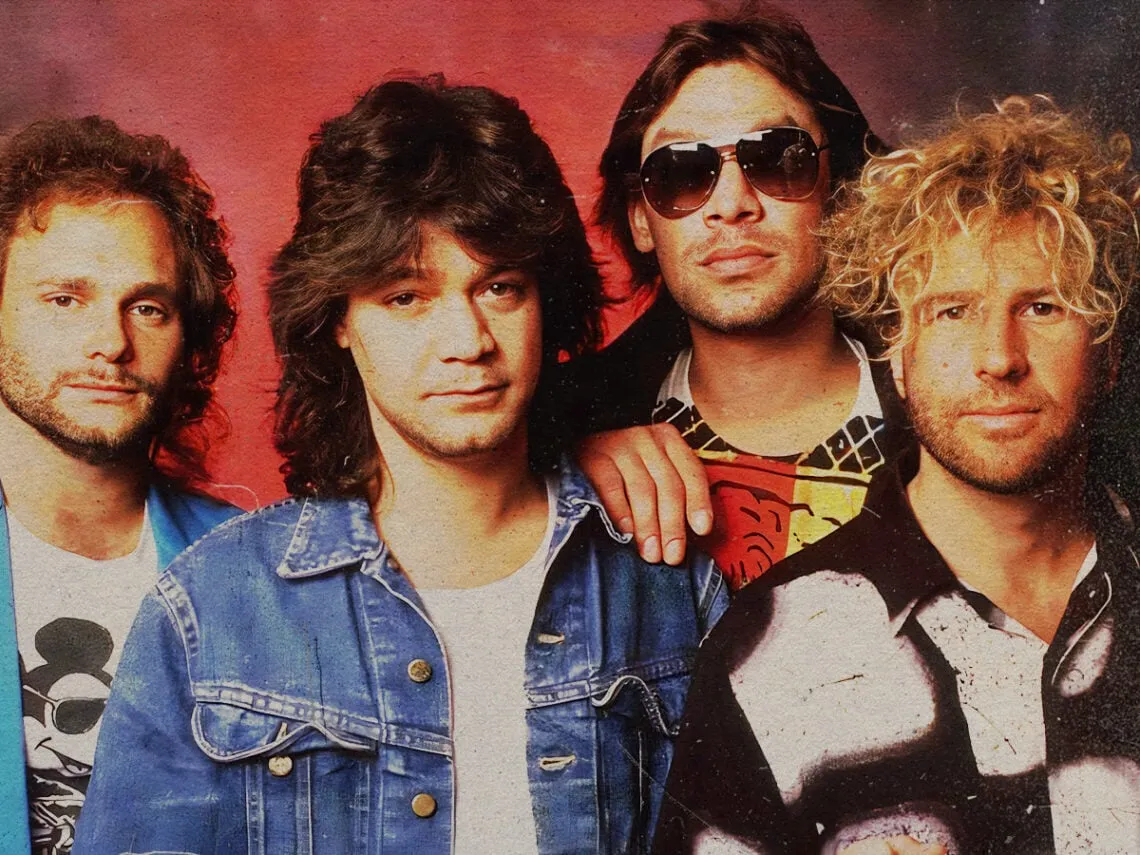 Photo: Van Halen, via faroutmagazine.co.uk
The band's production requirements were extraordinarily complex. If a venue couldn't be bothered to pick out the brown M&Ms — a simple, clearly stated task — it was a reliable signal that they probably hadn't read the rest of the technical rider carefully either. Brown M&Ms in the bowl meant it was time to do a full production check before someone got hurt. What looked like ego was actually a safety protocol disguised as a snack preference. The internet has never quite recovered from learning this.
The Spectrum of Demands: From Reasonable to Rocket-Fueled
Not every rider has a Van Halen-level explanation, of course. Some are simply a window into the particular ecosystem a celebrity requires to function at their highest level — and that ecosystem can get very specific very fast.
Mariah Carey's riders have become the stuff of legend. According to multiple published reports over the years, her requirements have included a humidifier for her vocal cords, a specific temperature maintained in her dressing room, kittens (yes, plural), and a butler. Whether every item on every leaked list is 100 percent accurate is almost beside the point — the Mariah Carey rider has become its own cultural shorthand for a certain tier of expectation. And honestly? The woman has been a vocal powerhouse for four decades. If a humidifier is part of the formula, we're not arguing.
 Photo: Mariah Carey, via people.com
Beyoncé's touring riders, per various industry reports, have included alkaline water at a precise temperature, a specific brand of hand sanitizer, and red toilet paper. The red toilet paper detail has been disputed, but the fact that it's believable tells you everything about where Beyoncé sits in the cultural imagination. When you're running the most technically ambitious stadium shows on earth, the idea that you also have opinions about bathroom tissue feels less like diva behavior and more like someone who has simply optimized every variable.
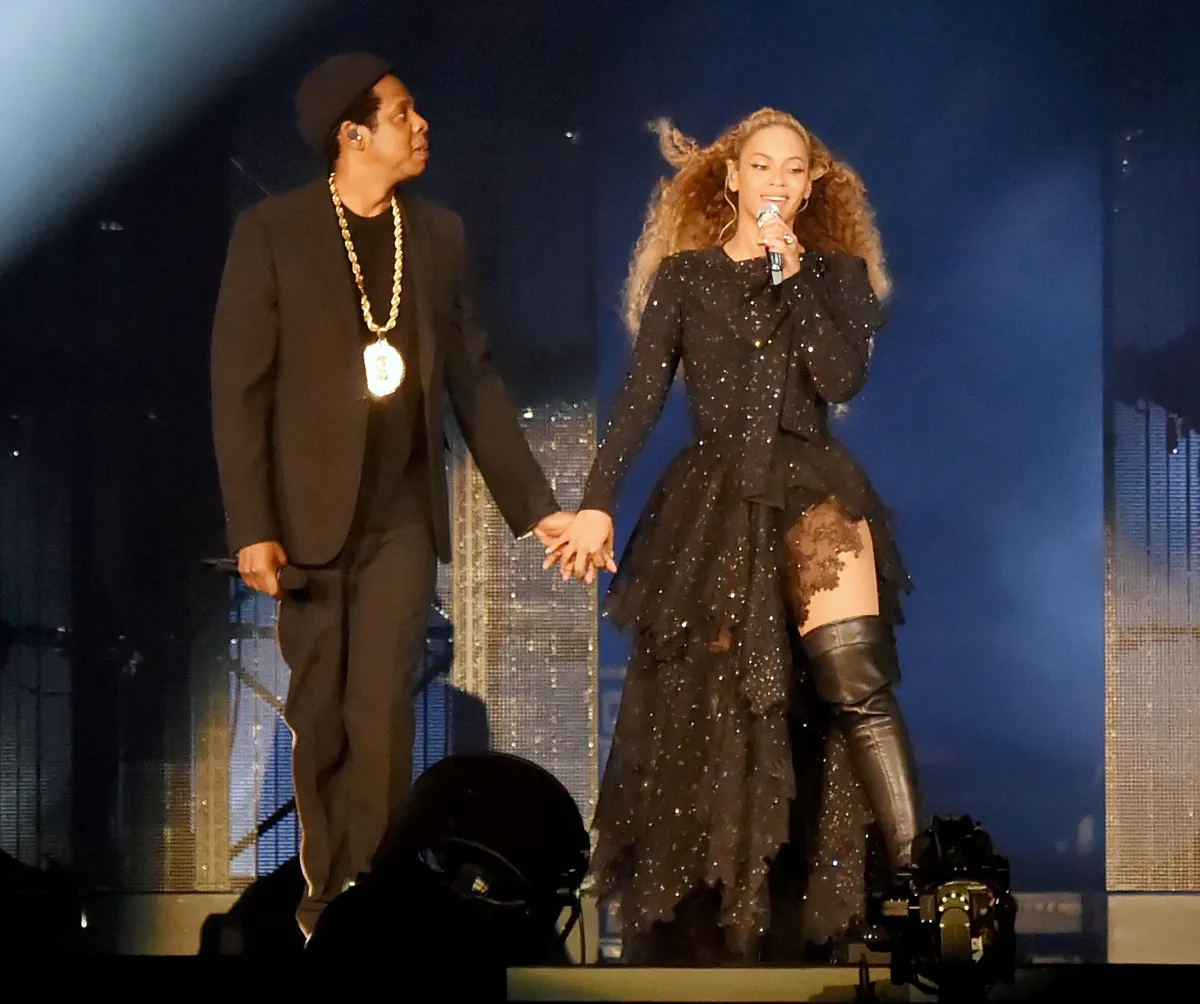 Photo: Beyoncé, via media.vogue.co.uk
Then there's Kanye West, whose reported demands for his Saint Pablo tour allegedly included a barber's chair, specific lighting rigs, and a particular brand of plain white bath towels — in a quantity that suggested either a very large entourage or a firm belief that hotel towels are not to be trusted. Again, per published reports, not verified by Flashbulb Report independently.
What the Riders Actually Reveal
Here's where it gets genuinely interesting. Strip away the comedy, and contract riders are one of the purest expressions of power in the entertainment industry. You only get to make demands when you have leverage. The more specific and outrageous the rider, the more clearly it signals: I am irreplaceable enough that you will accommodate me, or you will find someone else and explain to your audience why.
For newer artists or emerging talent, riders tend to be modest — a few bottles of water, maybe a fruit plate. As careers ascend, the lists grow. It's not always about ego. Sometimes it's about a team of managers, lawyers, and agents who have been burned before and are now putting protections in writing. Sometimes it's about genuine physical or creative needs that have been learned through trial and error. And sometimes, yes, it's about seeing exactly how much the other party wants you in that room.
Industry insiders have noted for years that riders also serve a practical negotiating function: they create room for compromise. If a celebrity asks for twelve specific things and a venue can only deliver nine, everyone walks away feeling like they got something. The rider is not just a wish list. It's an opening bid.
The Modern Era: Brand Appearances and the New Demands
Riders aren't just a touring phenomenon anymore. As celebrities have expanded into brand partnerships, corporate appearances, and sponsored content, the rider has migrated with them. And the demands have evolved accordingly.
Reports from brand partnership agencies in recent years have described requirements ranging from specific social media approval windows (some A-listers require 72-hour sign-off on any content featuring their likeness) to restrictions on which competing brands can be visible in the same space during a sponsored event. One widely circulated industry anecdote involves a major celebrity who required that all food served at a brand event be prepared by a specific chef — not employed by the brand, not local to the venue, but flown in specifically for the occasion.
The social media clause is arguably the most 2025 version of the rider. Celebrities with massive followings are now negotiating not just appearance fees but content ownership, posting schedules, and the right to approve (or kill) any behind-the-scenes footage. In an era where a single candid clip can define a news cycle, controlling the visual narrative has become as important as controlling the lighting.
The Takeaway Nobody Mentions
For all the mockery they inspire, celebrity riders are also, quietly, a form of self-advocacy that most people in most professions never get to exercise. The ability to say these are my conditions — and have those conditions met — is a form of agency that most workers don't have access to. Which doesn't mean every demand is reasonable or proportionate, but it does mean the conversation is more complicated than "famous people are spoiled."
Next time a leaked rider goes viral and everyone loses their mind over the temperature of someone's Evian, remember: somewhere in that same document, there's probably a clause that's completely sensible, a safety requirement that protects a crew of two hundred people, or a negotiating tactic so sophisticated it would impress a corporate attorney.
The brown M&Ms were never really about the M&Ms. They never are.
In Hollywood, the real power move isn't what you ask for — it's knowing they'll say yes.