The Collab That Never Was: Inside the Secret Graveyard of Celebrity Projects That Died Before You Ever Heard a Note
Somewhere, in a hard drive or a vault or a very secure cloud server, there is a record that two of your favorite artists made together and never released. There is a film that two A-listers shot for weeks before someone decided the chemistry wasn't right, or the deal fell apart, or a personal situation made the whole thing untenable. There is a fashion line that a pop star and a luxury house designed in secret, celebrated in private, and quietly buried before a single piece ever hit a rack.
Hollywood — and the music industry, and the fashion world — runs on the fuel of collaboration. But it also runs on NDAs, ego, label politics, and the occasional spectacular interpersonal implosion. And when those forces collide, the result is a graveyard of projects that fans never got to hear, see, or wear.
The Life Cycle of a Doomed Collab
It almost always starts the same way. Two people — two artists, two actors, two brands — are in a room together and the energy is electric. Someone floats an idea. The idea gets traction. Management gets involved. Lawyers get involved. A deal memo gets drafted. And then, slowly or all at once, the whole thing starts to unravel.
The reasons vary enormously, but industry insiders tend to cluster them into a few recurring categories: creative disputes (they can't agree on the direction), label politics (the record companies have conflicting interests), personal fallout (the friendship or relationship that made the collaboration possible has since collapsed), or simple timing (the window closed before the project could be completed).
The result is always the same: a project that generated real excitement behind closed doors dies before it reaches the public, and the NDA ensures that most of the people who know what happened will never say so on the record.
The Music Industry's Most Notorious Near-Misses
The music world has an especially rich history of collaborations that almost happened and didn't — and in some cases, the near-miss is more famous than the actual discography of either artist involved.
The most discussed in recent years has been the long-rumored full-length collaboration between Rihanna and various major producers and artists that has been gestating in some form since Anti dropped in 2016. Every few months, a new name surfaces as someone who's been in the studio with her. Every few months, nothing materializes. Whether this constitutes a shelved collab or simply a very extended creative process is genuinely unclear, but the anticipation has taken on a life of its own.
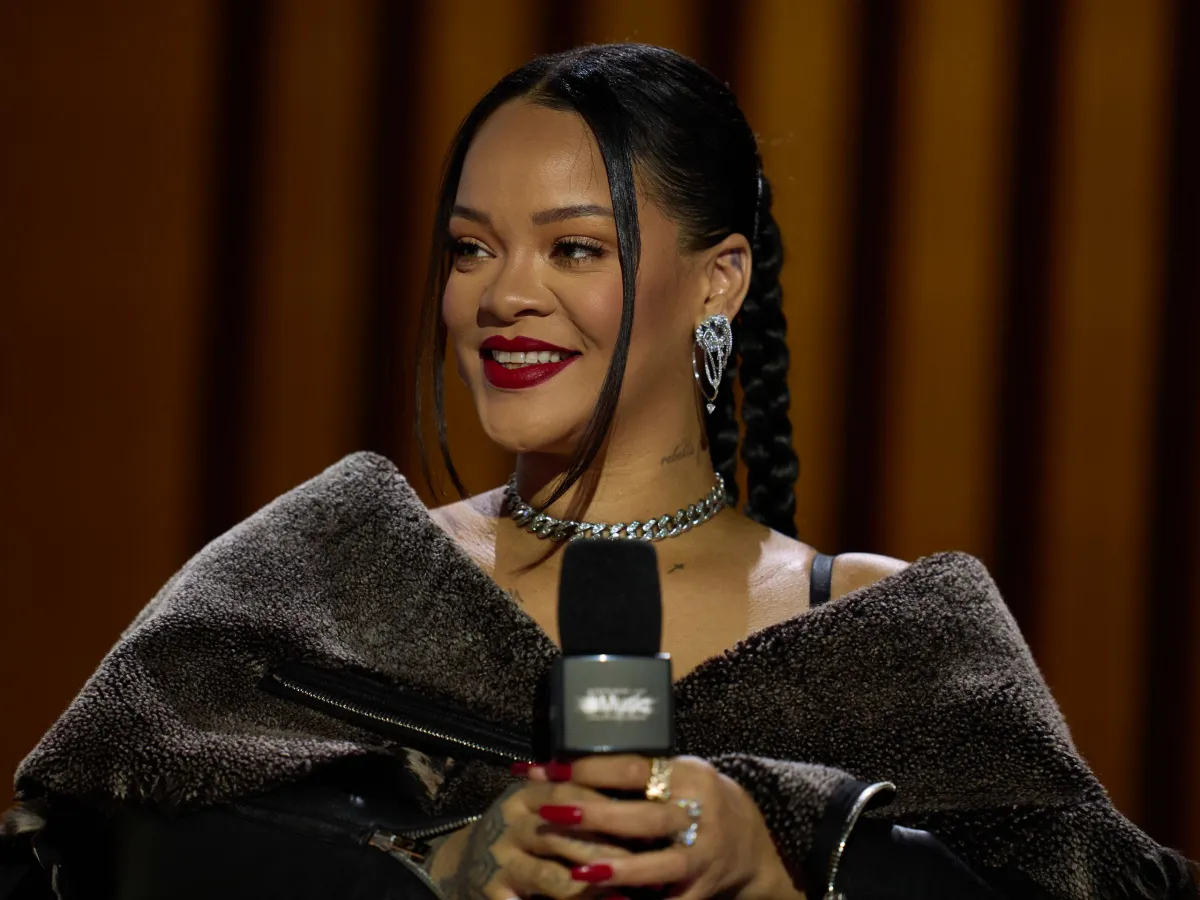 Photo: Rihanna, via assets.vogue.com
More concretely: there have been multiple reported instances of completed collaborative projects — full albums, EPs, joint mixtapes — that were finished, mastered, and ready to release before label disputes or personal conflicts pulled them back. The Nicki Minaj and Beyoncé collaborative project that fans have theorized about for years based on studio session photos and cryptic social media activity is one example. Neither party has confirmed or denied. The internet remains convinced.
The Drake and Ye collaborative project that was reportedly in progress before their public falling out is another. Given the trajectory of that relationship, whatever was recorded is presumably staying exactly where it is.
When Film Sets Become the Scene of the Crime
In film, the collab graveyard has its own distinct flavor. The difference between a music project and a film project is scale — a shelved album costs money; a shelved film can cost tens of millions of dollars and take years of people's lives with it.
The history of Hollywood is littered with projects that generated enormous early buzz — announced at festivals, celebrated in trades, attached to major talent — and then quietly disappeared. Sometimes a director exits. Sometimes a star's schedule shifts. Sometimes the financing falls through in ways that nobody will discuss publicly. And sometimes, the personal relationship between two leads or between a director and a star deteriorates in ways that make completing the project impossible.
The Don't Worry Darling situation — which unfolded very publicly in 2022 and involved a director, a departing star, a replacement, a new romantic entanglement, and a press tour that became one of the most chaotic in recent memory — is a rare case where the behind-the-scenes drama actually became more famous than the film itself. Most of the time, the chaos stays buried.
Fashion's Forgotten Collaborations
The fashion world operates on a slightly different timeline, but the collab graveyard is just as full.
Celebrity fashion collaborations are announced with enormous fanfare, developed in secrecy, and — when they work — generate genuine cultural moments. When they don't work, they tend to disappear so quietly that even the people involved sometimes seem to forget they happened.
Kanye West's relationship with Adidas — the Yeezy line — is the highest-profile example of a collaboration that generated billions of dollars and then imploded spectacularly, leaving the brand with warehouses full of product and a very complicated PR situation. But for every Yeezy, there are dozens of smaller collaborations that never made headlines because they were killed before they could.
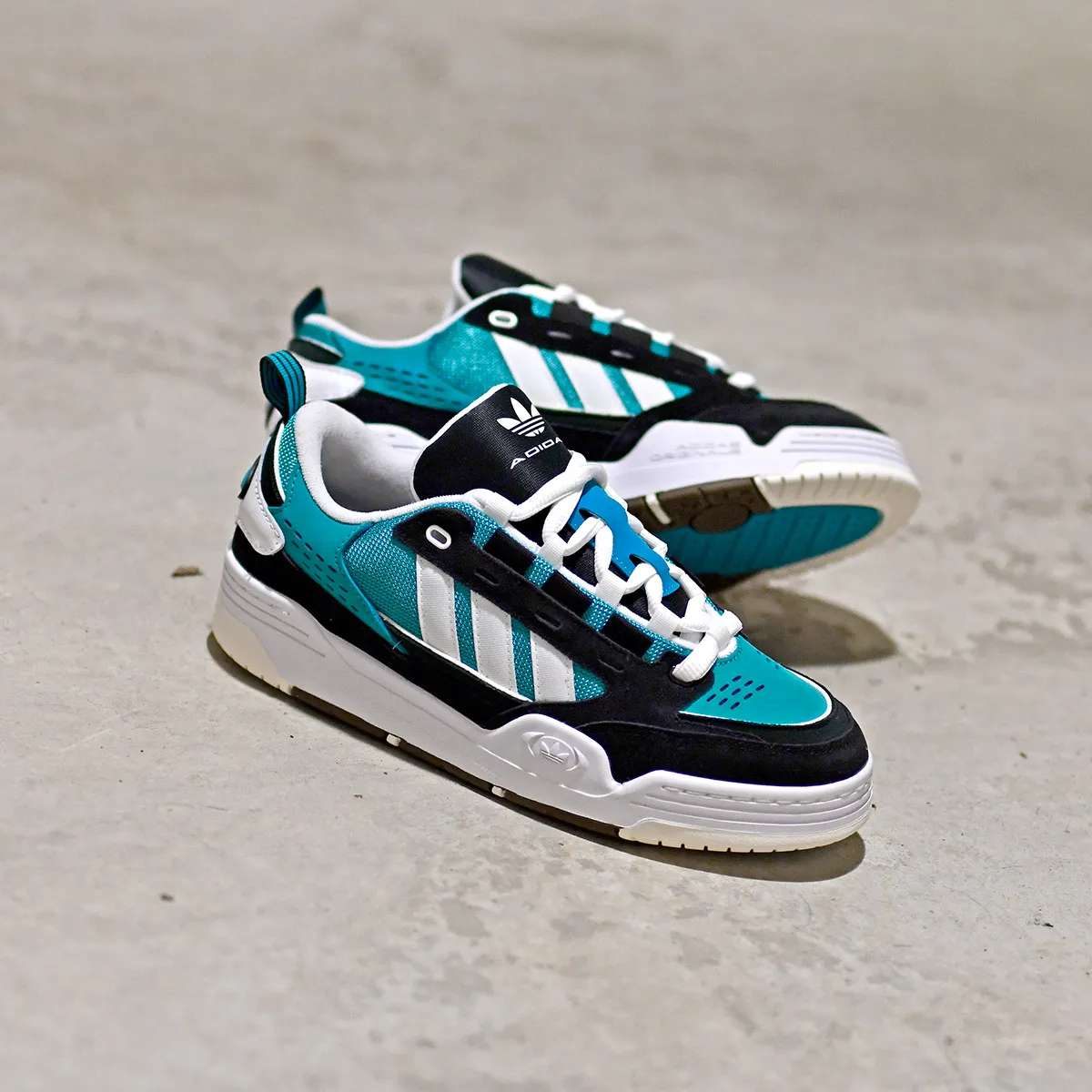 Photo: Adidas, via www.sneakers.fr
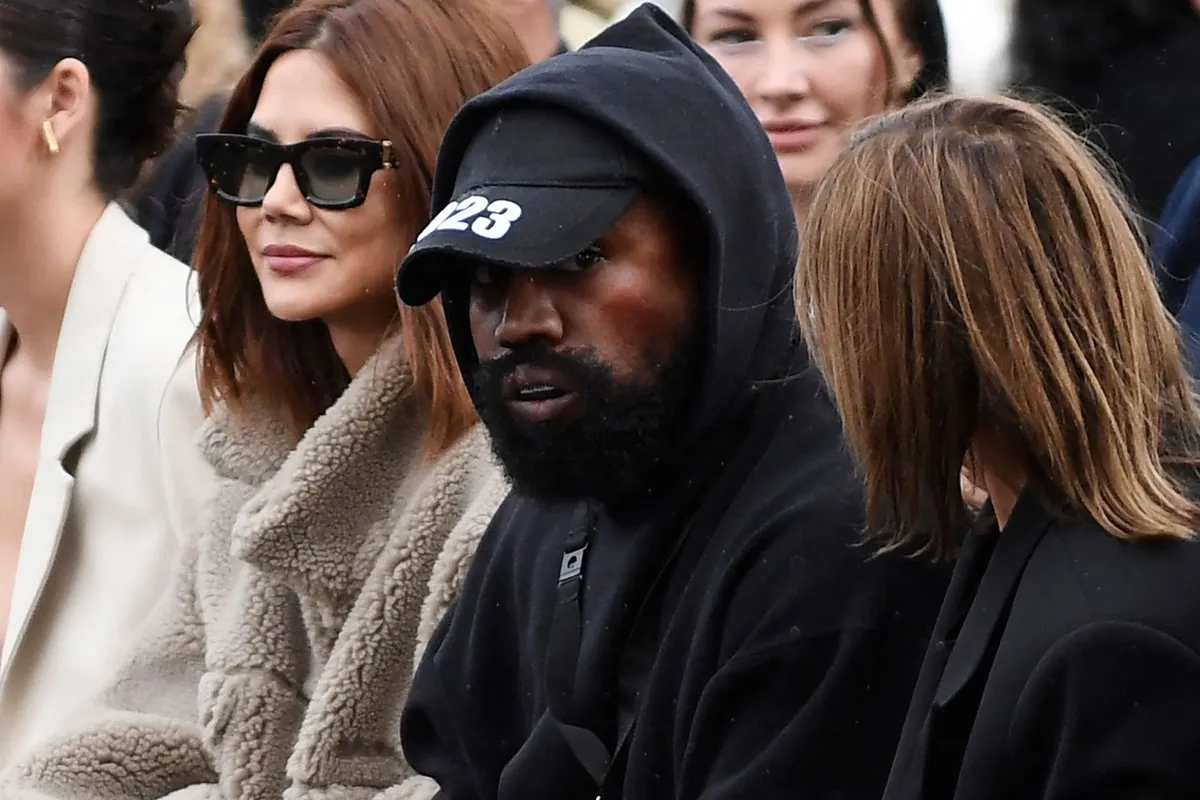 Photo: Kanye West, via www.watson.de
The pattern in fashion tends to involve a celebrity whose personal brand has shifted — through controversy, through changing taste, or simply through the passage of time — and a label that decides the association is no longer worth the risk. The project gets quietly shelved. The press release never goes out. And somewhere, a collection that someone spent months designing sits in a storage unit, never to be worn.
What the Insiders Won't Say on the Record
People who work in celebrity collaborations — managers, A&R executives, entertainment lawyers, creative directors — are uniformly reluctant to discuss specific failed projects. NDAs are real and the industry is small. But in general terms, the picture they paint is consistent.
The most common killer of a promising collaboration, multiple sources suggest, is the gap between the creative excitement of the initial idea and the logistical, legal, and interpersonal complexity of actually executing it. Two artists can have incredible chemistry in a room together and still represent two different management companies, two competing labels, two conflicting tour schedules, and two sets of lawyers with fundamentally different ideas about how the deal should be structured.
The second most common killer is time. The window in which a collaboration feels culturally relevant is often surprisingly narrow. By the time the contracts are signed and the creative process is underway, the moment that made the collaboration feel urgent may have already passed.
And the third, which nobody will name specifically but everyone acknowledges, is personal. Relationships end. Friendships fracture. What felt like the beginning of a beautiful creative partnership turns out to have been a snapshot of a specific moment that no longer exists.
What You'll Never Hear
The most haunting thing about the collab graveyard isn't the projects themselves — it's the knowledge that we'll never know what we missed. The album that would have been the record of the year. The film that might have changed someone's career. The collection that could have been the most talked-about thing at Fashion Week.
Somewhere, it exists. Finished or half-finished, locked in a contract dispute or a personal cold war, waiting for a reconciliation or a legal settlement that may never come.
The NDA holds. The hard drive sits. And the rest of us are left with the faint, permanent ache of almost.
The best album you never heard might already be finished — it's just trapped somewhere between a lawsuit and a group chat that nobody's opened in two years.