When Celebrity Dreams Meet Corporate Reality
Remember when every celebrity seemed to have a Netflix deal? Those halcyon days of 2019-2021 when streaming platforms were throwing money at anyone with a blue checkmark and a PowerPoint presentation? Well, the party's over, and the cleanup crew has been working overtime.
The streaming landscape is littered with the digital corpses of celebrity passion projects that promised to revolutionize entertainment — or at least pad some famous bank accounts. From animated series that never saw the light of day to talk shows that got the axe faster than you could say "algorithm," the graveyard is getting crowded.
The Royal Flush That Never Came
Let's start with the most high-profile casualty: Meghan Markle and Prince Harry's Archewell Productions deal with Netflix. While their documentary "Harry & Meghan" generated massive viewership and controversy in equal measure, several other projects under their banner have mysteriously vanished into the ether.
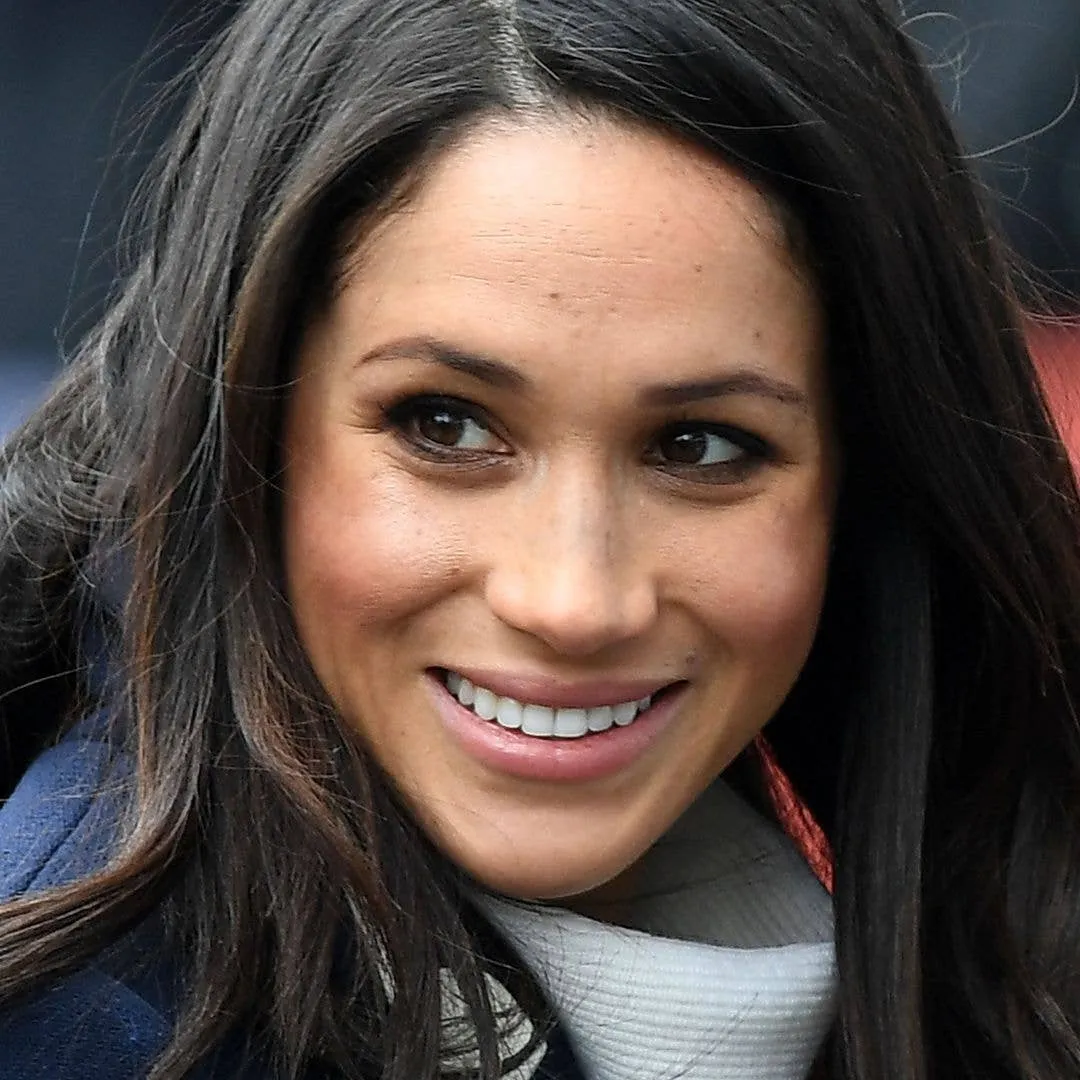 Photo: Meghan Markle, via images.hellomagazine.com
Most notably, Markle's animated series "Pearl," which was supposed to follow a 12-year-old girl inspired by influential women throughout history, got the chop in May 2022 as part of Netflix's broader cost-cutting measures. The show, which Markle was set to executive produce, reportedly fell victim to the streaming giant's newfound obsession with subscriber numbers over celebrity clout.
Sources close to the production described it as a "passion project" that Markle had been developing for years. Unfortunately, passion doesn't pay the bills when your stock price is tanking and investors are asking uncomfortable questions about spending habits.
Comedy Gold Turned Streaming Lead
Kevin Hart's relationship with Netflix tells a different kind of cautionary tale. The comedian signed a multi-year deal reportedly worth millions, but several projects under his HartBeat Productions banner have quietly disappeared from development slates.
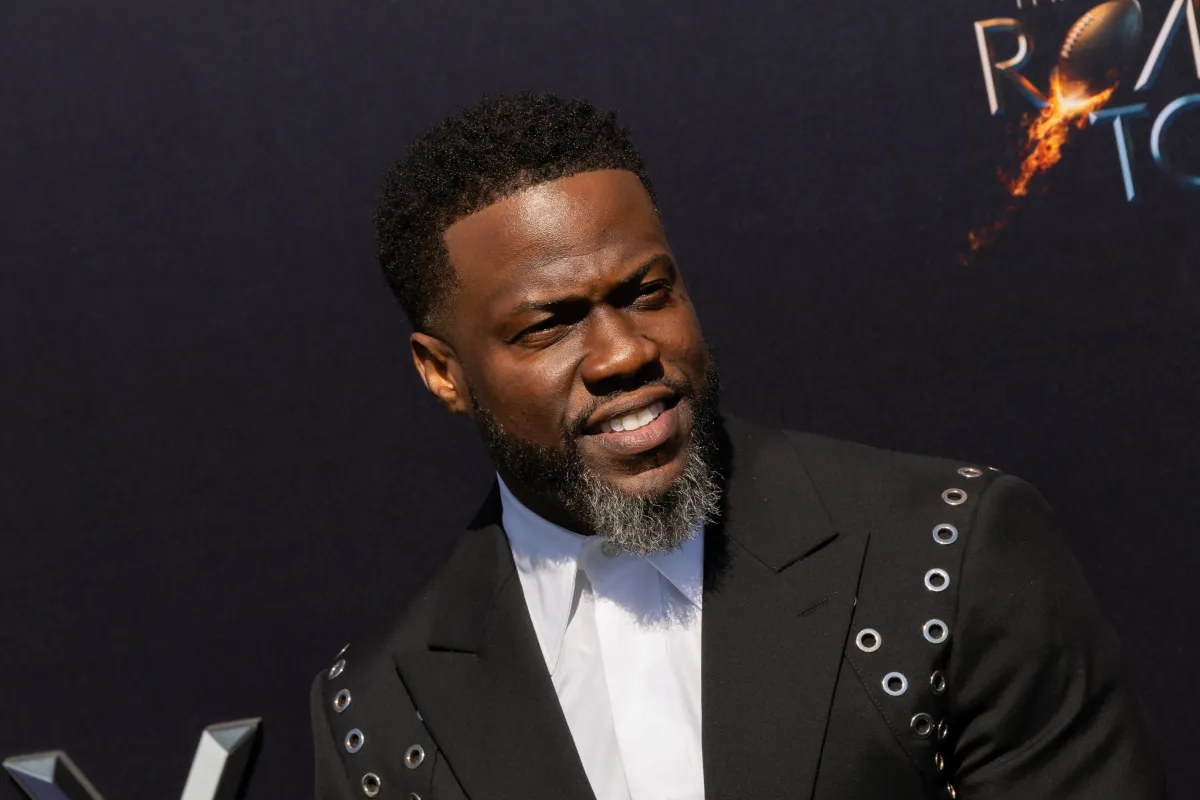 Photo: Kevin Hart, via www.pennlive.com
His planned reality competition series "Kevin Hart's Muscle Car Crew" was announced with great fanfare in 2021, complete with Hart's trademark enthusiasm and promises of "high-octane entertainment." Two years later, there's no sign of it anywhere on Netflix's release calendar. Industry insiders suggest the show became a victim of the platform's pivot away from expensive unscripted content that doesn't generate water-cooler moments.
"Kevin's deal looked amazing on paper," says one former Netflix development executive who requested anonymity. "But when you're paying top dollar for content that performs like mid-tier programming, something's got to give."
The Talk Show Massacre
Perhaps no genre has suffered more casualties than celebrity talk shows. Remember when every platform wanted their own version of "The Tonight Show"? Those dreams died faster than a celebrity marriage in Vegas.
Ellen DeGeneres's planned HBO Max series never materialized after her daytime show ended amid workplace toxicity allegations. Meanwhile, Busy Philipps saw her E! talk show "Busy Tonight" get the axe, and her subsequent streaming projects have remained in development hell.
The harsh reality? Celebrity hosts discovered that streaming audiences have different expectations than traditional TV viewers. Without the appointment viewing of broadcast television, talk shows need to go viral to survive — and not every celebrity has that magic touch.
The Algorithm Doesn't Care About Your Emmy
What's particularly brutal about the streaming graveyard is how quickly projects can go from "priority" to "cancelled." Unlike traditional television, where shows might get a chance to find their audience over multiple seasons, streaming platforms make decisions based on immediate data.
"The algorithm is the ultimate equalizer," explains entertainment analyst Sarah Martinez. "It doesn't matter if you're an Oscar winner or a TikTok star — if the numbers don't add up in the first few weeks, you're done."
This ruthless efficiency has claimed several high-profile victims. Reese Witherspoon's production company Hello Sunshine saw multiple projects shelved at various platforms, despite her proven track record with hits like "Big Little Lies" and "The Morning Show."
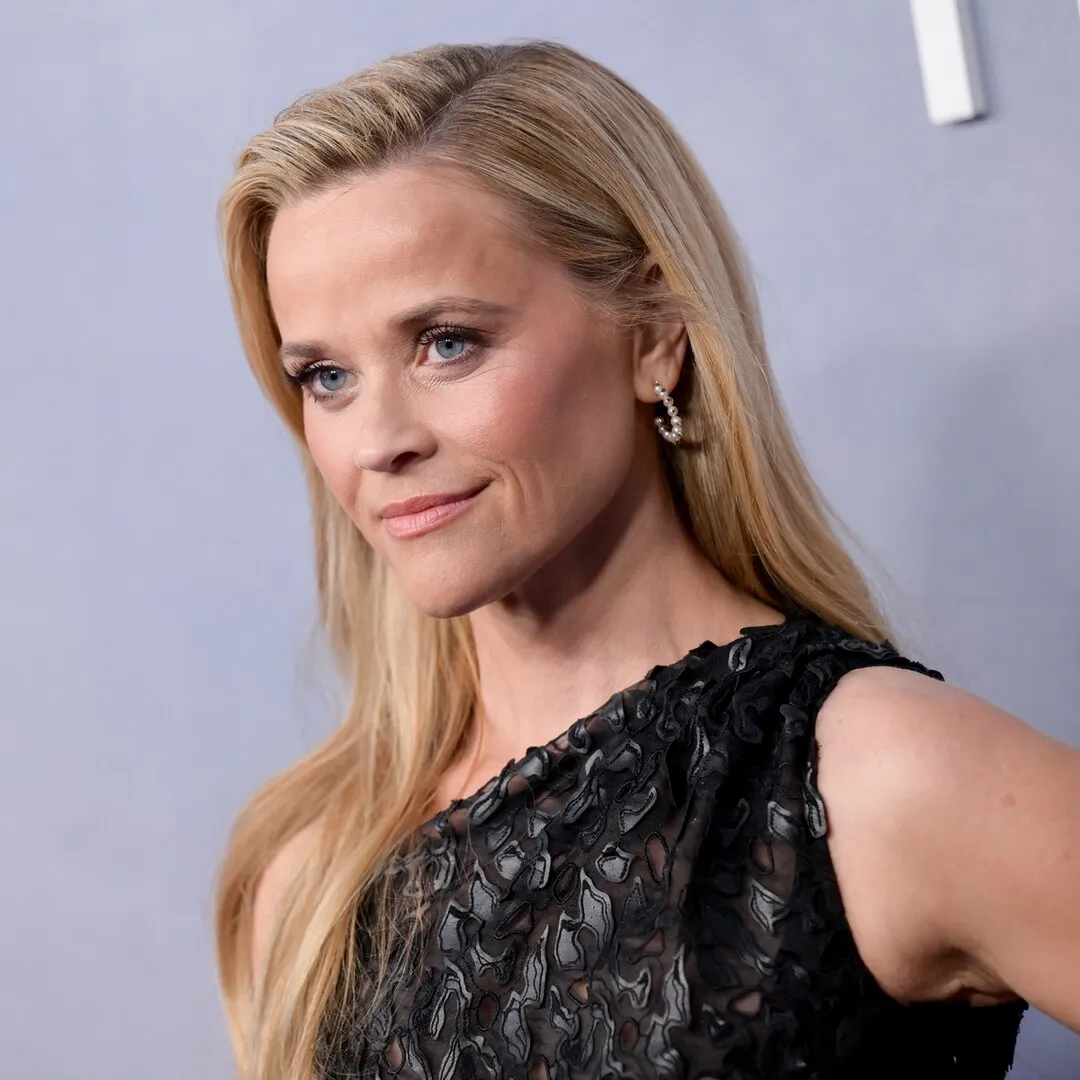 Photo: Reese Witherspoon, via akns-images.eonline.com
When Star Power Meets Spreadsheet Reality
The most telling casualties might be the documentary projects that promised intimate access to celebrities' lives but failed to deliver the drama audiences craved. Several unnamed docuseries following A-list celebrities through "personal journeys" have been quietly shelved after test audiences found them insufficiently compelling.
"Celebrities thought they could control the narrative and still make compelling television," notes one industry insider. "But audiences can smell sanitized content from a mile away. If you're not willing to get messy, why should anyone care?"
The Survivors and the Lessons
Not every celebrity project has met an ignominious end. Ryan Reynolds's "Welcome to Wrexham" on FX has found success by embracing authenticity over celebrity polish. Similarly, Will Smith's "Amend: The Fight for America" succeeded by focusing on important subject matter rather than celebrity worship — though Smith's subsequent Oscar slap certainly complicated future projects.
The key difference? These successful projects understood that celebrity involvement should enhance the story, not become the story itself.
What This Means for Celebrity Culture
The streaming graveyard represents more than just failed TV shows — it's a seismic shift in how celebrity influence translates to actual power. For decades, famous names could greenlight projects based on star power alone. Now, data reigns supreme, and audiences are increasingly sophisticated about what deserves their attention.
"We're seeing the democratization of content in real time," says media critic James Thompson. "Celebrities are learning they have to compete with everyone else for eyeballs, and their fame doesn't guarantee an audience will stick around for boring content."
The Future of Celebrity Content
As streaming platforms continue to tighten their belts and focus on proven performers, celebrities are adapting their strategies. Many are moving toward lower-budget, higher-authenticity projects that can succeed without massive marketing budgets.
Others are abandoning traditional media altogether, building direct relationships with audiences through social platforms and subscription services. The message is clear: the days of celebrity welfare are over, and only the most adaptable will survive.
The streaming graveyard serves as a reminder that in the attention economy, even the brightest stars can burn out faster than a cancelled Netflix series — and unlike their failed projects, there's no algorithm to bring back their credibility.