When Real Life Becomes Reality Fiction
You know the drill: sweet, bubbly contestant walks into reality TV paradise, and by episode three, they're the house villain everyone loves to hate. Their laugh sounds maniacal, their confessionals drip with manufactured drama, and somehow every conversation they have ends with someone storming off. Welcome to the villain edit — reality TV's most profitable magic trick, where producers transform regular humans into cartoon characters with nothing but clever cuts and ominous background music.
But in 2024, the victims of these editorial hit jobs aren't staying quiet anymore. Armed with social media platforms, legal teams, and an increasingly media-savvy public, reality stars are fighting back against the narrative manipulation that can destroy reputations overnight. The question is: can you really win a war against an entire industry built on manufactured drama?
The Anatomy of Character Assassination
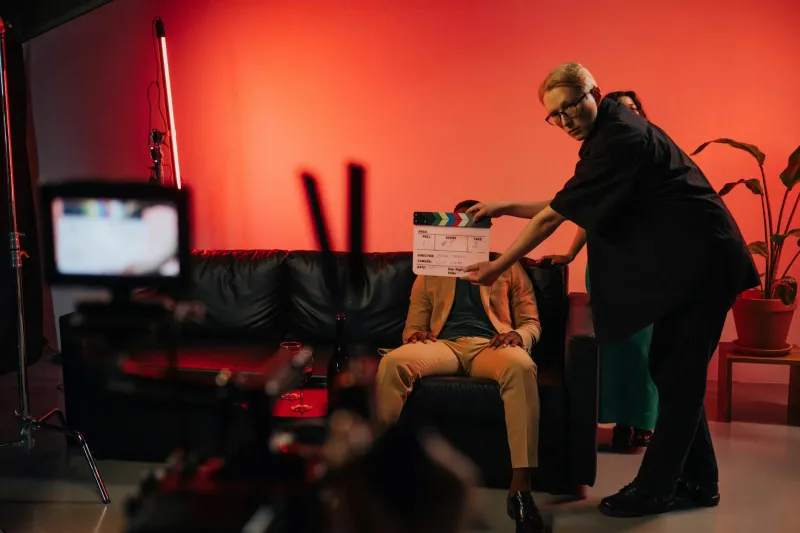
The villain edit isn't just about showing someone's worst moments — it's about creating a completely different person through post-production wizardry. Take a contestant saying "I'm here to win" in a confessional, splice it with footage of them looking stern during a completely unrelated conversation, add some minor-key piano music, and boom — you've got yourself a scheming mastermind.
Former Bachelor contestants have been particularly vocal about this phenomenon. Courtney Robertson, who became the franchise's most hated villain in 2012, later revealed that producers encouraged her controversial behavior, then edited her responses to make her seem even more calculating. "They would ask leading questions for hours until they got the sound bite they wanted," she explained in her tell-all book.
The techniques are surprisingly simple but devastatingly effective. Producers use what's called "Frankenbiting" — splicing together different parts of sentences to create entirely new quotes. They'll show someone rolling their eyes during a completely different conversation to make it seem like they're reacting to drama. They'll even use reaction shots from different days entirely, banking on viewers not noticing the wardrobe changes.
The Streaming Era's Double-Edged Sword
Interestingly, the rise of streaming platforms has made the villain edit both more dangerous and more survivable. On one hand, shows now live forever on Netflix, Hulu, and Amazon Prime, meaning a bad edit can haunt someone indefinitely. There's no waiting for reruns to stop airing — your most embarrassing moments are available 24/7 to new audiences discovering the show years later.
But streaming has also democratized the response. Social media gives reality stars immediate access to millions of viewers, allowing them to provide context, share behind-the-scenes footage, and humanize themselves in real-time. TikTok has become particularly powerful for this, with contestants creating viral videos that show the "real" them versus their edited personas.
Fighting Back: The New Playbook
The most successful pushbacks against villain edits have combined legal pressure with social media savvy. Several Love Island contestants have threatened lawsuits against production companies, citing the mental health impact of their portrayals. While most settle out of court, the threat alone has made producers more cautious.
Meanwhile, some reality stars have turned their villain status into brand gold. The Bachelor's Vienna Girardi parlayed her controversial edit into a media career, using her platform to expose production tactics. "Being the villain taught me how the game really works," she said in a recent podcast appearance. "Now I help other contestants navigate it."
The most interesting development is the rise of "edit-proof" contestants — reality TV veterans who've studied the format so thoroughly they can manipulate their own narrative. They speak in complete, uneditable sentences, refuse to take obvious bait, and strategically reveal their "authentic" selves in controlled doses.
The Human Cost of Entertainment
Behind all the media strategy and legal maneuvering, there's a real human toll. Multiple reality contestants have spoken about depression, anxiety, and even suicidal thoughts following their villain edits. The British reality TV industry has faced particular scrutiny after several contestant deaths, leading to mandatory mental health support and aftercare programs.
American networks have been slower to adapt, but change is coming. Several major production companies now employ "story editors" whose job is to ensure contestants aren't portrayed in ways that could cause lasting psychological harm. It's a small step, but it acknowledges what viewers have long suspected: the line between entertainment and exploitation has been crossed too many times.
What's Next for Reality TV's Realest Drama
As audiences become more sophisticated about reality TV production techniques, the villain edit may be losing its power. Gen Z viewers, in particular, are quick to call out obvious manipulation and often root for the "villain" out of spite toward producers.
Some shows are experimenting with more transparent editing, showing contestants watching their own footage and reacting to it. Others are giving participants more control over their narratives, allowing them to provide context through social media integration.
But don't expect the villain edit to disappear entirely — drama still drives ratings, and there will always be contestants willing to play the game for their shot at fame. The real change might be in how we consume these stories, understanding that the person we love to hate on screen is probably just someone who got caught in the entertainment machine's gears.
After all, in the age of social media, everyone's story eventually gets a director's cut.