
The Power of No: When Walking Away From Millions Became Hollywood's Smartest Move
In a town where everyone's chasing the next big payday, sometimes the smartest move is knowing when to walk away from one. While most of us would struggle to turn down a free coffee upgrade, Hollywood's biggest names have made careers out of saying "thanks, but no thanks" to deals worth tens of millions — and somehow coming out even richer on the other side.
The entertainment industry loves a good "what if" story, but the real tea is in the "what actually happened next" — because some of these seemingly crazy decisions turned out to be pure genius.
When Marvel Money Wasn't Enough
Take Edward Norton, who famously walked away from reprising his role as Bruce Banner in The Avengers after creative differences with Marvel Studios. While the internet had a field day speculating about ego clashes and contract disputes, Norton's decision to step back from what would become the highest-grossing film franchise in history seemed like career suicide at the time.
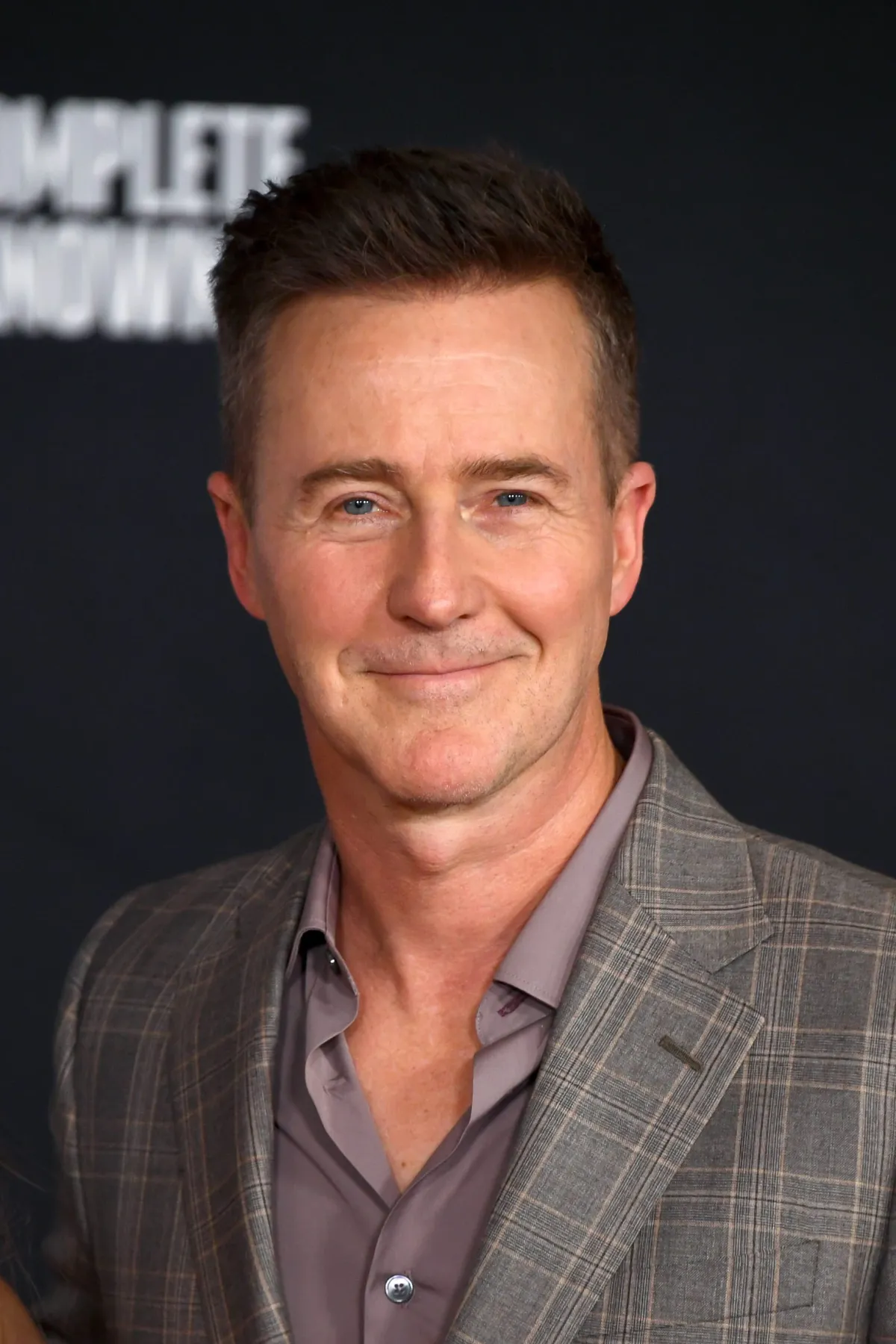 Photo: Edward Norton, via hips.hearstapps.com
But here's where it gets interesting: Norton used his Marvel exit as leverage to pursue passion projects and maintain creative control over his work. Instead of being locked into a multi-picture deal that could have lasted a decade, he pivoted to directing, producing, and choosing roles that actually excited him. Mark Ruffalo stepped in as the new Hulk, and everyone won — including Norton, who avoided being typecast as angry green guy for the next fifteen years.
The Music Industry's Biggest Plot Twist
The music world has its own collection of "wait, they said no to WHAT?" moments. Frank Ocean's decision to buy himself out of his Def Jam contract for a reported $1 million might have seemed expensive at the time, but it gave him complete ownership of his masters and creative freedom. His independent albums Blonde and Endless not only earned critical acclaim but also proved that artists could build massive careers without major label machinery.
Similarly, when Chance the Rapper famously turned down multiple record deals to remain independent, industry insiders called it career suicide. Three Grammy wins and millions in streaming revenue later, Chance proved that sometimes the best deal is no deal at all. His "thank you" speech at the 2017 Grammys — where he thanked God for giving him the strength to turn down record labels — became the stuff of legend.
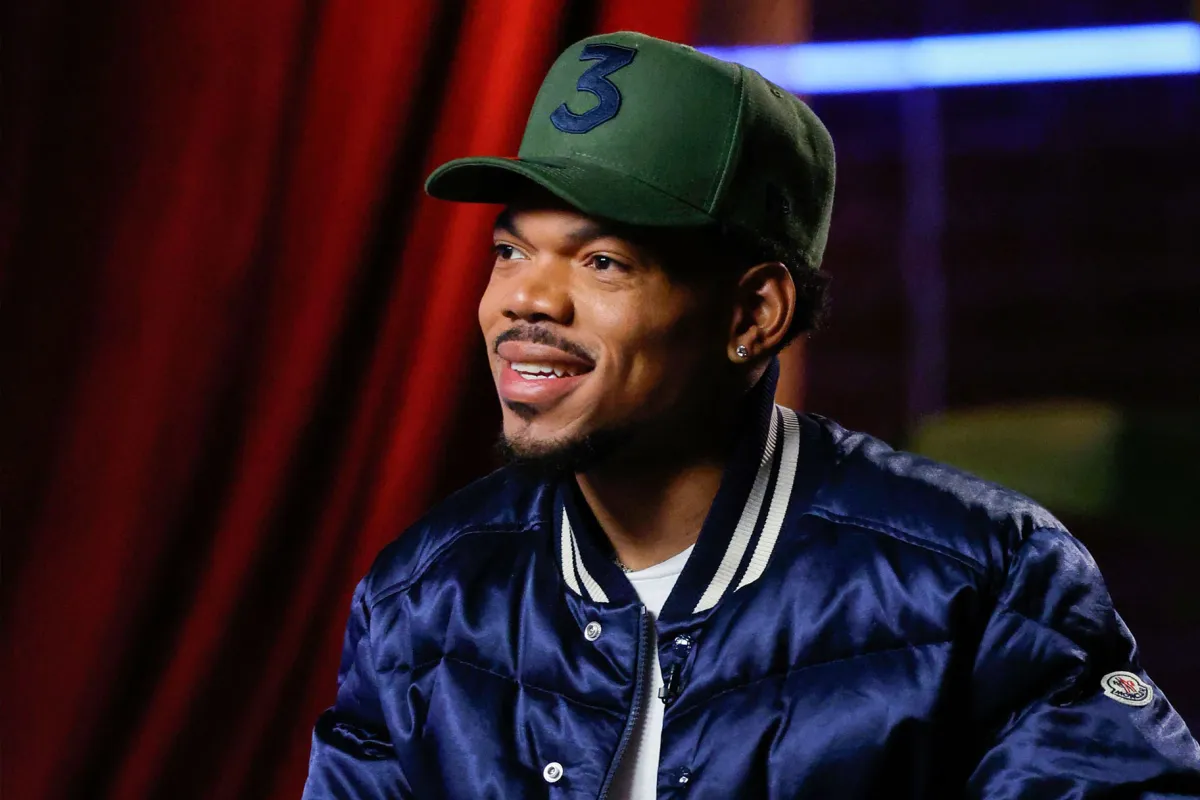 Photo: Chance the Rapper, via www.nbc.com
The Franchise That Got Away (And Why That Was Perfect)
Perhaps no story illustrates this phenomenon better than Will Smith's decision to pass on The Matrix in favor of Wild Wild West. While this is often cited as one of Hollywood's biggest "what if" moments, Smith later revealed that he wouldn't have been right for the role and that Keanu Reeves was perfect casting. Sometimes walking away isn't about the money — it's about knowing what fits.
More recently, we've seen similar calculated risks pay off. When several A-list actors reportedly passed on early Marvel roles due to the lengthy commitment requirements, it seemed short-sighted. But those same actors were then free to pursue other projects that became just as lucrative and culturally significant.
The Psychology of Strategic Rejection
What separates a power move from career suicide often comes down to timing and leverage. Industry insiders suggest that the celebrities who successfully walk away from big deals usually have three things in common: a clear vision of what they want instead, enough financial security to take the risk, and a team that understands long-term brand building over short-term payoffs.
"The ability to say no is directly proportional to your ability to say yes to something better," one unnamed talent agent told Variety in 2023. "The stars who thrive are the ones who understand that not every opportunity is actually an opportunity."
The Streaming Era's New Rules
The rise of streaming platforms has created even more opportunities for strategic walkways. When several high-profile creators left traditional networks to sign exclusive deals with Netflix, Hulu, and Amazon, they weren't just chasing bigger paychecks — they were betting on creative freedom and global reach.
Shonda Rhimes's move from ABC to Netflix reportedly included a deal worth over $100 million, but more importantly, it gave her complete creative control and the resources to build a production empire. Her decision to walk away from the network that made her famous seemed risky, but it positioned her as one of the most powerful creators in television.
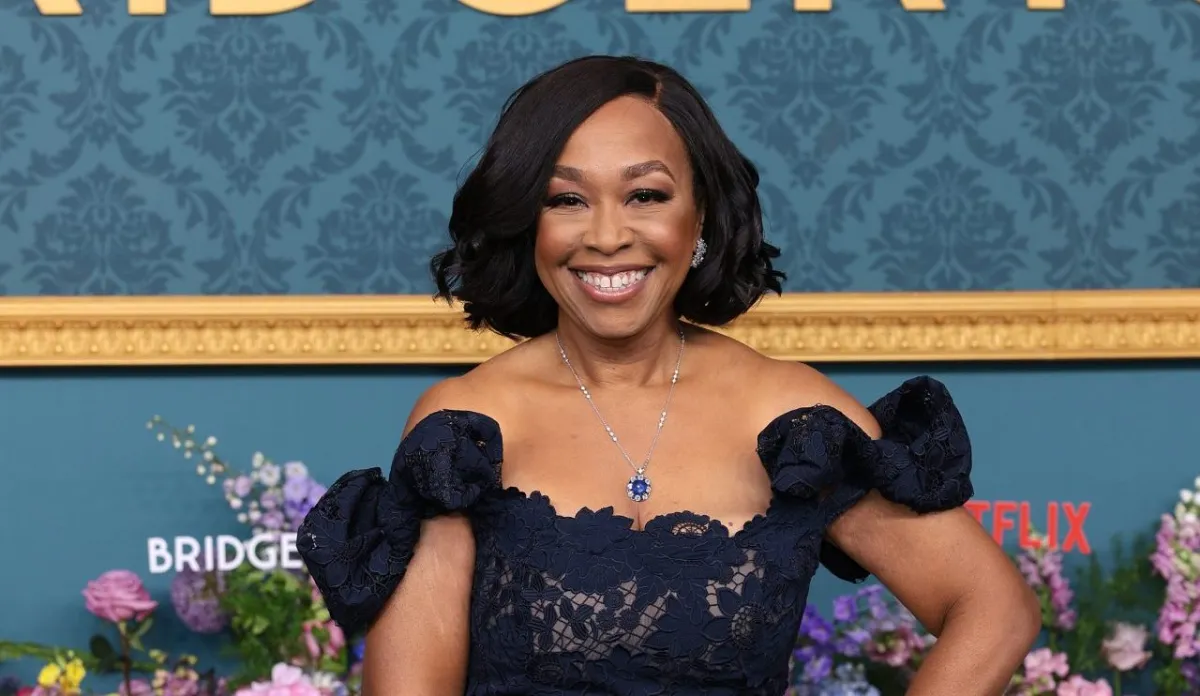 Photo: Shonda Rhimes, via theshaderoom.com
The Art of the Strategic Exit
What makes these decisions fascinating isn't just the money involved — it's the psychology. In an industry built on relationships and reputation, walking away from a major deal sends a message. It says you value your artistic integrity over a quick payday, that you're confident in your ability to create opportunities rather than just accept them.
Of course, for every success story, there are cautionary tales of careers that never recovered from a poorly timed rejection. The difference often comes down to having a clear plan for what comes next and the resources to execute it.
The New Hollywood Playbook
As the entertainment landscape continues to evolve, the ability to strategically walk away has become an essential skill. With more platforms, more opportunities, and more ways to reach audiences directly, the traditional gatekeepers have less power than ever before.
The celebrities who thrive in this new environment are the ones who understand that sometimes the most powerful word in Hollywood isn't "yes" — it's "no, but let me tell you what I'm interested in instead."
Because in a town where everyone's trying to get in the room, sometimes the real power move is knowing when to walk out of it.