When Desperation Meets Destiny
Picture this: You're a studio executive, your lead actor just dropped out, production starts Monday, and you're staring down the barrel of a multi-million dollar disaster. So you grab whoever's available, cross your fingers, and hope for the best. Sometimes that "whoever" ends up rewriting entertainment history.
Welcome to Hollywood's most beautiful accidents – the understudies, last-minute swaps, and "we'll take anyone" casting calls that accidentally created some of the biggest stars on the planet. These aren't just feel-good stories about persistence paying off. They're reminders that in an industry obsessed with "sure things," the most iconic performances often come from the people nobody saw coming.
The Carpenter Who Built an Empire
Let's start with the ultimate last-minute legend: Harrison Ford. In 1976, Ford was literally building cabinets at Francis Ford Coppola's house when George Lucas needed someone to read lines with actors auditioning for a little space movie called "Star Wars." Ford wasn't even auditioning – he was just the guy with the hammer who happened to be in the right place at the right time.
 Photo: Harrison Ford, via wallpapers.com
Lucas had specifically said he didn't want to cast anyone from "American Graffiti" (which included Ford), but after watching him deliver Han Solo's lines with that perfect mix of swagger and skepticism, he couldn't ignore what was right in front of him. The rest, as they say, is franchise history worth billions.
Ford's accidental casting didn't just launch one of cinema's most beloved characters – it created a template for the reluctant hero that's been copied countless times since. Sometimes the best performances come from people who aren't trying to perform at all.
The Replacement Who Redefined Cool
James Dean's iconic turn in "Rebel Without a Cause" almost never happened. The role of Jim Stark was originally offered to – wait for it – Tab Hunter, the squeaky-clean heartthrob who was basically the anti-Dean in every possible way. When Hunter passed, along with several other established actors, director Nicholas Ray took a chance on the moody 24-year-old who'd barely been in anything.
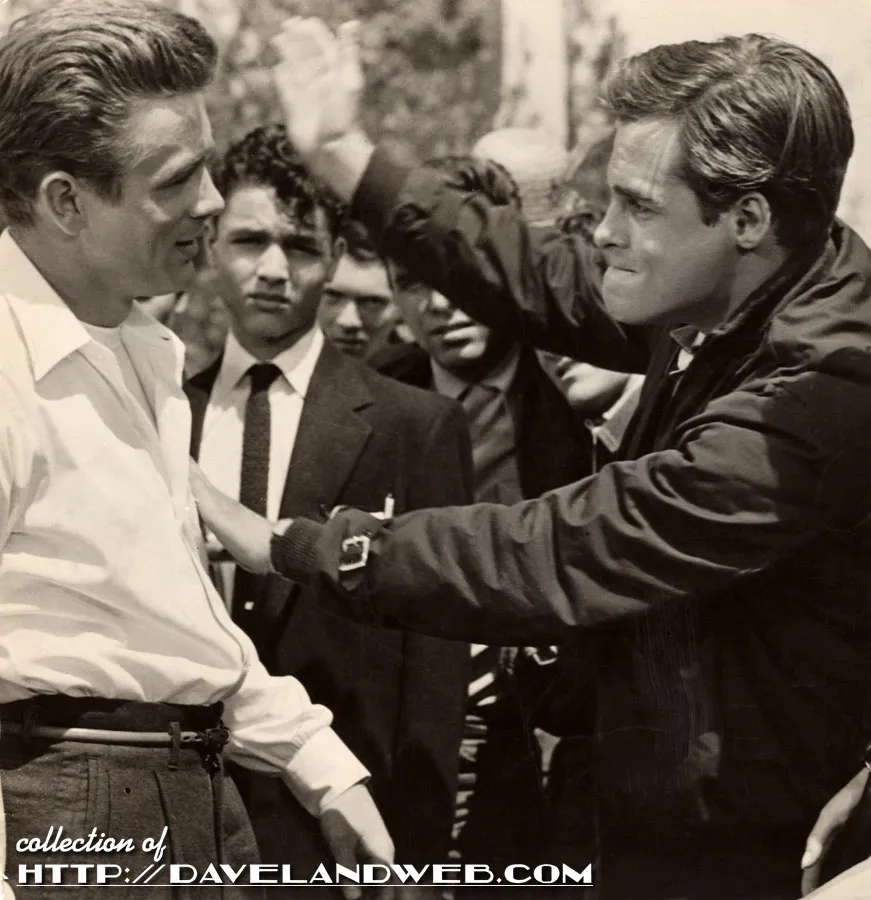 Photo: James Dean, via www.davelandweb.com
Dean didn't just fill the role – he transformed it into something completely different from what was originally written. His method acting approach and genuine teenage angst turned what could have been a standard juvenile delinquent movie into a cultural phenomenon that still influences how we think about youth rebellion today.
The tragic irony? Dean died just weeks before the film's release, never knowing he'd become the poster child for misunderstood youth everywhere.
When TV Pilots Go Rogue
"The Big Bang Theory" almost starred an entirely different cast. The original pilot featured Johnny Galecki as Leonard and Jim Parsons as Sheldon, but Katie (played by Amanda Walsh) instead of Penny, and no Howard or Raj at all. When CBS passed on that version, creators Chuck Lorre and Bill Prady went back to the drawing board.
Enter Kaley Cuoco as Penny, Simon Helberg as Howard, and Kunal Nayyar as Raj. The chemistry was completely different – warmer, funnier, more relatable. What started as a show about awkward physicists trying to understand one woman became an ensemble comedy about friendship, love, and finding your tribe.
The result? Twelve seasons, countless awards, and syndication deals that made everyone involved ridiculously wealthy. Sometimes the best fix is starting over completely.
The Music Industry's Beautiful Mistakes
The entertainment world's last-minute legends aren't limited to Hollywood. In 1970, Ozzy Osbourne was literally pulled out of a Birmingham jail to audition for a heavy metal band called Earth (later Black Sabbath) after their original vocalist quit. The band needed someone immediately, and Osbourne – who'd been arrested for burglary – was available.
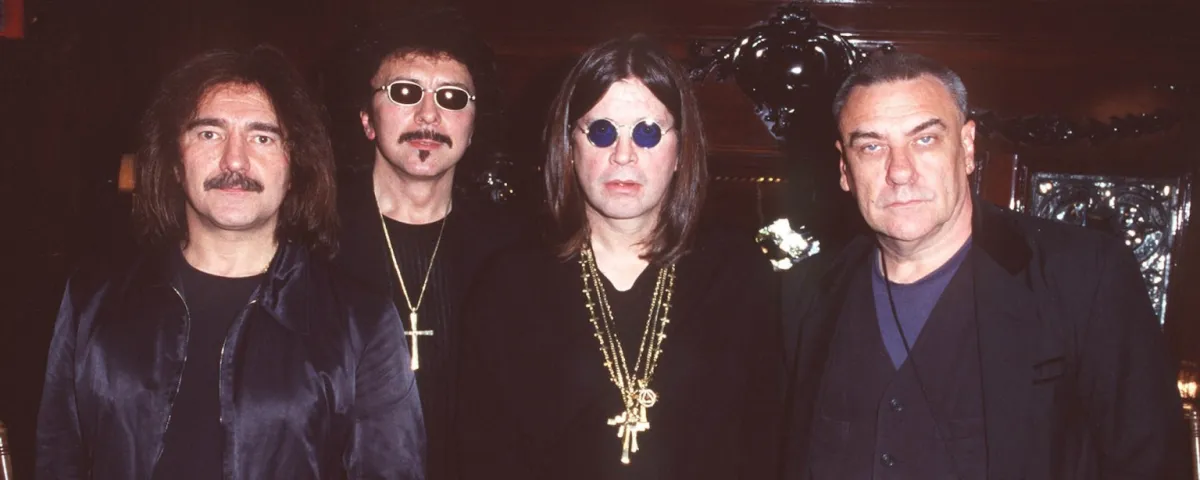 Photo: Ozzy Osbourne, via americansongwriter.com
That desperate casting call created the Prince of Darkness and essentially invented heavy metal as we know it. Osbourne's distinctive wail and theatrical stage presence turned Black Sabbath from another blues-rock band into something entirely new and terrifying. Decades later, he's still touring, still shocking audiences, and still proving that sometimes the best qualifications for rock stardom are being in the right place at the right time with the right attitude.
The Marvel Method
Jeremy Renner's journey to becoming Hawkeye is peak Hollywood chaos. He was originally cast as the villain in "Thor," but when that didn't work out, Marvel basically said, "Hey, want to be an Avenger instead?" Renner went from playing a forgettable bad guy to anchoring one of the most successful franchises in cinema history.
The beauty of Renner's casting is that it perfectly embodies the Marvel approach: find great actors, figure out how to use them later. Kevin Feige and the Marvel team have built an empire on the principle that talent is more important than perfect fit, and they'll make the perfect fit happen in post-production if necessary.
Why Last-Minute Magic Works
There's something about desperation that strips away all the overthinking and politics that usually plague casting decisions. When you need someone now, you stop worrying about whether they fit your preconceived notions and start focusing on whether they can actually do the job.
Plus, replacement actors often bring a hunger and gratitude that established stars might lack. They know they're getting a shot they weren't supposed to get, so they bring everything they have to the role. That energy translates on screen in ways that careful, calculated casting sometimes can't match.
The Lesson for Tomorrow's Legends
Hollywood's obsession with bankable stars and proven formulas means we're probably missing out on countless potential legends who just haven't been in the right place at the right time yet. The next Harrison Ford might be installing your kitchen cabinets. The next James Dean might be waiting tables in WeHo.
In an industry that claims to value originality while constantly playing it safe, these accidental discoveries remind us that sometimes the best art comes from the biggest risks – even when those risks are taken out of pure desperation rather than artistic vision.