Love Is Blind (But Cameras Make It Worse)
Every season, we watch beautiful people fall madly in love under studio lights, promise forever in finale episodes, and then quietly unfollow each other on Instagram six months later. The pattern is so predictable at this point that Vegas should start taking bets on which Bachelor couple will call it quits first.
The dating show to breakup pipeline isn't just a coincidence—it's practically an industrial process. From The Bachelor's dismal 15% success rate to Love Island's revolving door of "committed" couples who can't survive a British winter together, reality romance has become the relationship equivalent of fast fashion: looks great on the surface, falls apart the moment you take it home.
The Performance Pressure Cooker
Here's the thing nobody talks about: these couples aren't just dating—they're performing a relationship for millions of viewers who have very strong opinions about their love life. When Kaitlyn Bristowe and Shawn Booth were together post-Bachelorette, sources close to the couple revealed that every date felt like a photo opportunity, every argument became potential tabloid fodder.
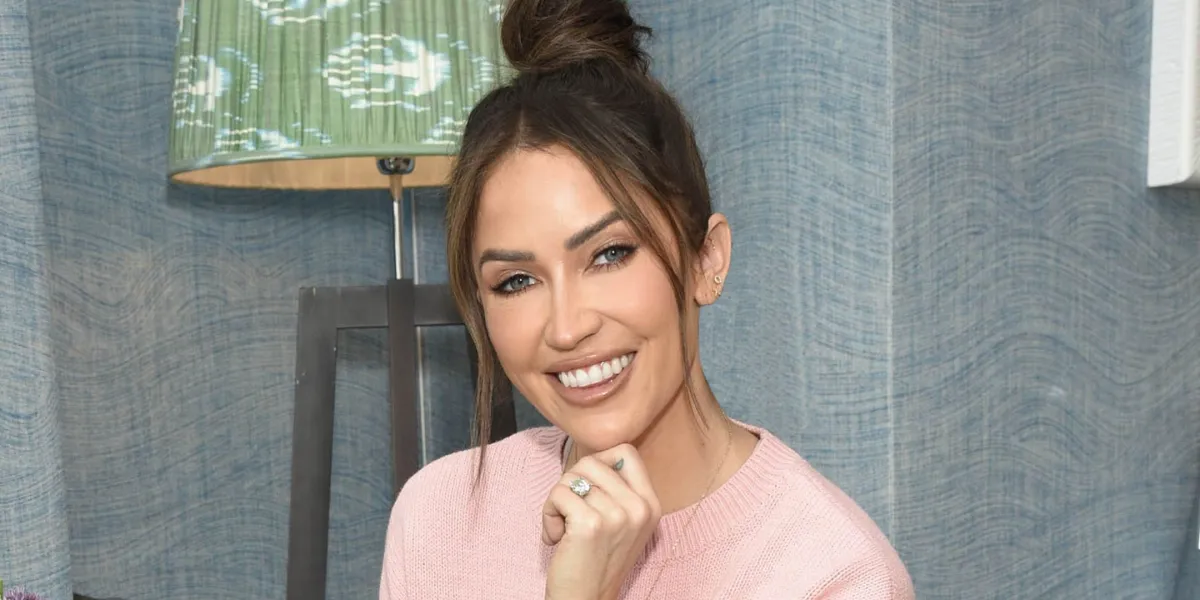 Photo: Kaitlyn Bristowe, via static0.thethingsimages.com
"The pressure to be 'on' all the time is insane," one former Bachelor contestant told E! News. "You can't just have a normal fight about who left dishes in the sink without wondering if someone's going to photograph you looking upset and turn it into a breakup story."
Then there's the contractual obligations. Most reality dating shows require couples to maintain their relationship for a certain period post-filming, with financial penalties for early splits. Nothing says "authentic love" like a literal contract forcing you to stay together for the cameras.
Social Media: The Relationship Killer
If the show pressure wasn't enough, these couples then have to navigate their romance in the social media fishbowl. Every Instagram story gets analyzed for signs of trouble, every missing comment becomes evidence of drama, and fans feel entitled to weigh in on every relationship decision.
Take Love Island USA's Kyra Lizama and Will Moncada, who seemed solid during their season but couldn't handle the constant online scrutiny of their every move. When Kyra posted a solo vacation photo without mentioning Will, the comments section turned into a detective agency trying to decode their relationship status. Spoiler alert: they broke up three months later.
"The audience becomes like a third person in your relationship," relationship expert Dr. Rachel DeAlto explained to Us Weekly. "When thousands of strangers are constantly judging your partner and your choices, it creates an impossible dynamic."
The Scorecard of Shame
Let's talk numbers, because they're brutal:
The Bachelor/Bachelorette: Out of 45+ seasons, only a handful of couples are still together. That's roughly a 15% success rate, which makes your local dive bar look like a matchmaking paradise.
Love Island: The UK version has produced exactly three marriages from over a decade of seasons. The US version? Even worse, with most couples calling it quits before the reunion special airs.
Married at First Sight: Despite literally getting married on camera, only about 30% of couples stay together past the show's filming period.
Too Hot to Handle: This show's success rate is so low, we're pretty sure the only lasting relationships are between contestants and their therapists.
The Rare Success Stories (Yes, They Exist)
Before you lose all faith in televised love, there are some couples who beat the odds. Ashley Hebert and J.P. Rosenbaum from The Bachelorette made it work for nearly a decade (though they eventually divorced in 2021). Trista and Ryan Sutter from the very first season of The Bachelorette are still going strong after 20 years, proving that either they're genuinely perfect for each other or they've mastered the art of the long con.
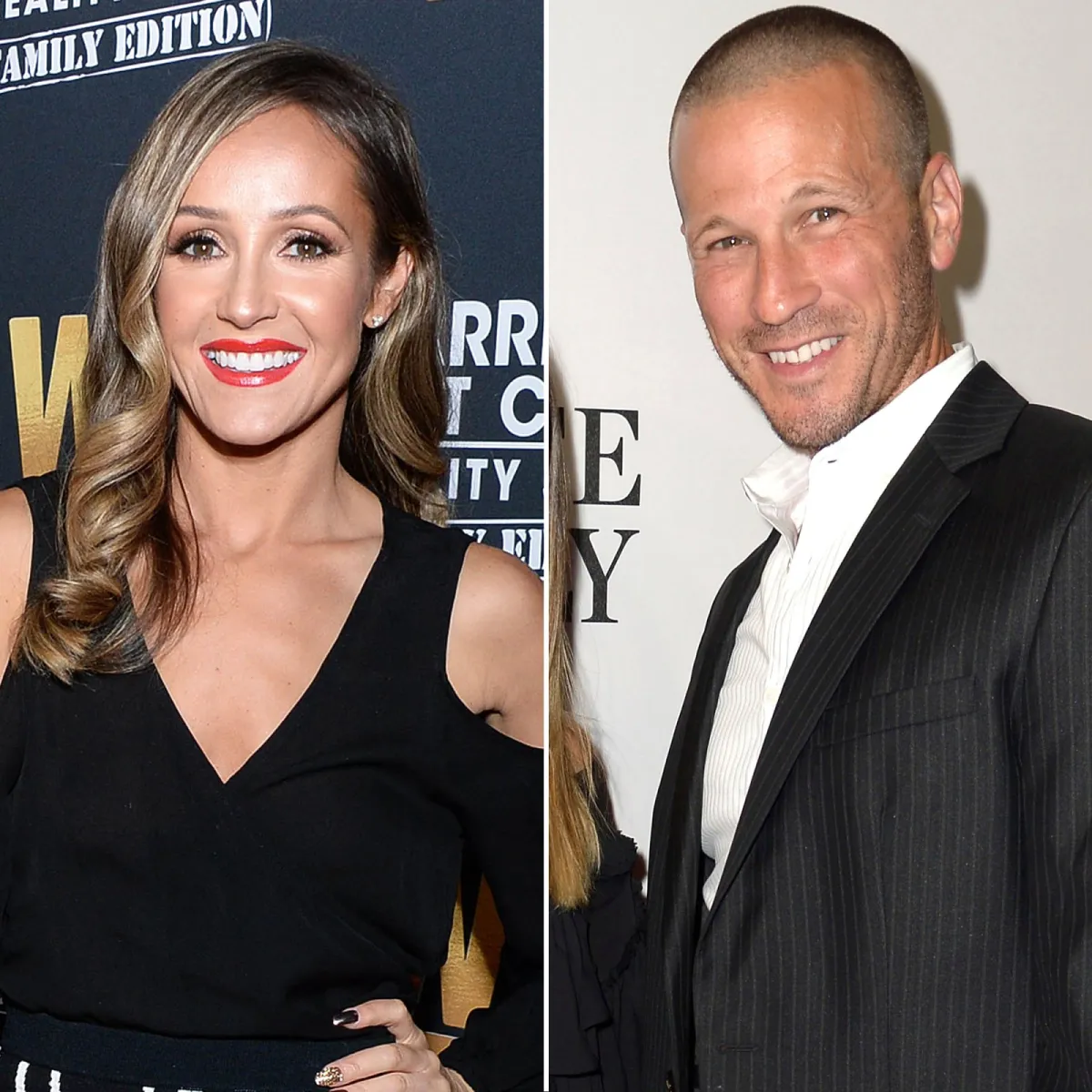 Photo: Ashley Hebert and J.P. Rosenbaum, via www.usmagazine.com
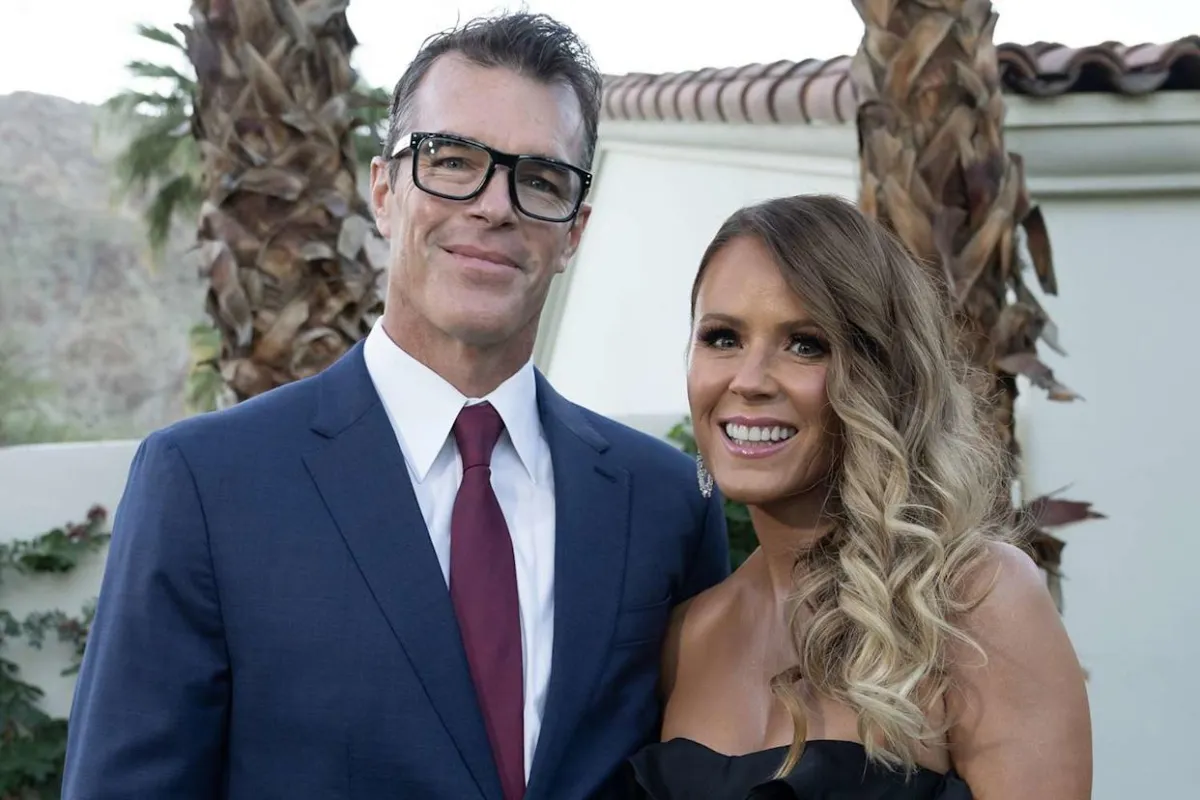 Photo: Trista and Ryan Sutter, via s.yimg.com
The secret sauce for couples who survive? According to relationship experts, it's usually a combination of genuine compatibility (shocking, we know), strong communication skills, and the ability to create boundaries between their private relationship and public persona.
Why We Keep Watching (And They Keep Trying)
Despite the dismal track record, new contestants keep signing up for these shows, and we keep watching them fall in love and fall apart. There's something irresistibly optimistic about believing that maybe this time will be different, that this couple will be the ones to prove that reality TV love can survive reality.
For the networks, it's a win-win situation. Successful couples provide feel-good content and spin-off opportunities. Failed relationships generate just as much content through breakup exclusives, tell-all interviews, and the inevitable "finding love again" storylines.
The Real Tea
The truth is, most of these relationships were doomed from the moment filming wrapped. When your entire courtship happens in a controlled environment with professional hair and makeup, luxury dates, and zero real-world stressors, it's hardly surprising that couples struggle when faced with mundane realities like grocery shopping and Netflix arguments.
As one former Love Island contestant put it: "It's like falling in love at Disneyland and then trying to make it work in Detroit." The magic rarely translates.
So the next time you find yourself invested in a reality TV couple's journey, maybe don't get too attached—the odds are definitely not in their favor.