
In Hollywood, getting fired, dropping out, or being "too difficult" is usually career suicide. But sometimes — just sometimes — it's the best thing that could happen to everyone involved. Especially when your replacement ends up making the role so iconic that fans forget you were ever attached to the project in the first place.
Welcome to the entertainment industry's most awkward success stories: when Plan B becomes so much better than Plan A that it rewrites history entirely.
When Recasting Becomes Oscar Bait
Let's start with the big one: when studios panic-recast major roles and accidentally stumble into awards season gold. Take Marisa Tomei in "My Cousin Vinny" — she wasn't the first choice, but her last-minute casting led to an Oscar win that left the original pick probably wondering what could have been. Or consider how Robert Downey Jr. wasn't Marvel's first choice for Iron Man (they wanted Tom Cruise), but his casting literally launched the most successful film franchise in history.
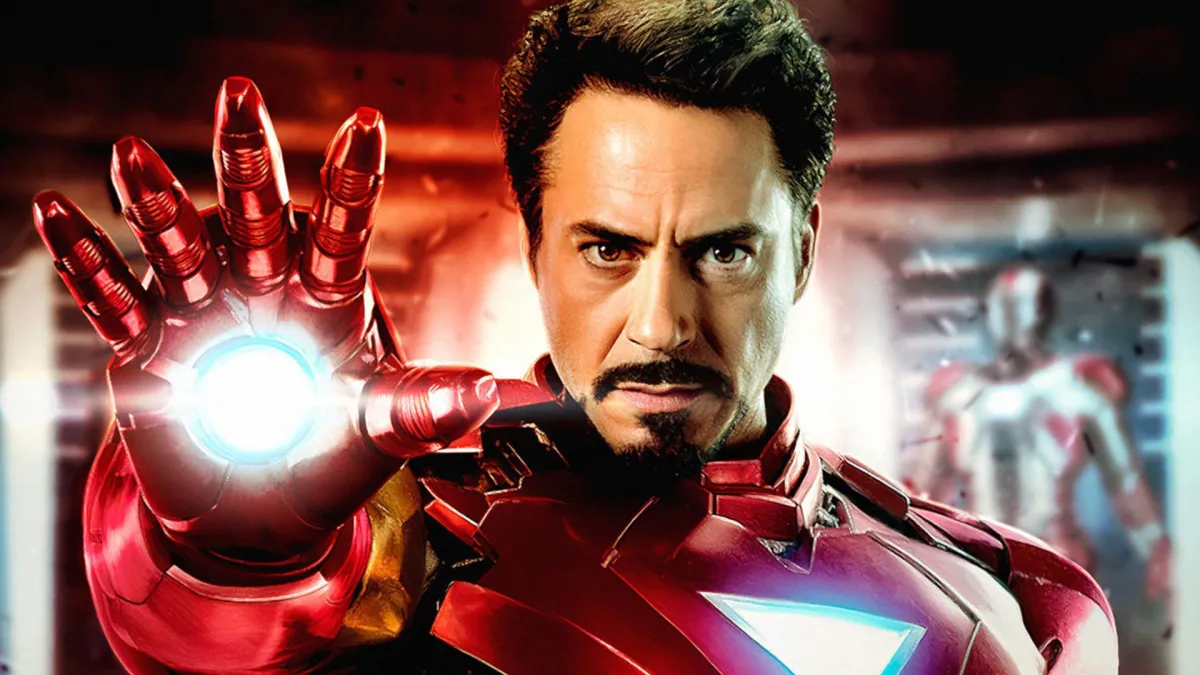 Photo: Robert Downey Jr., via static1.moviewebimages.com
The awkward part? These replacements often become so synonymous with the role that suggesting anyone else could have done it feels like heresy. Try imagining Tom Cruise delivering "I am Iron Man" with the same cultural impact. We'll wait.
The Broadway Backup Plan That Broke the Internet
Broadway is the ultimate understudy proving ground, where careers are made when the lead gets food poisoning on the night a major critic shows up. But nothing prepared the theater world for what happened when Lin-Manuel Miranda left "Hamilton." His replacement wasn't just filling shoes — they were stepping into a cultural phenomenon.
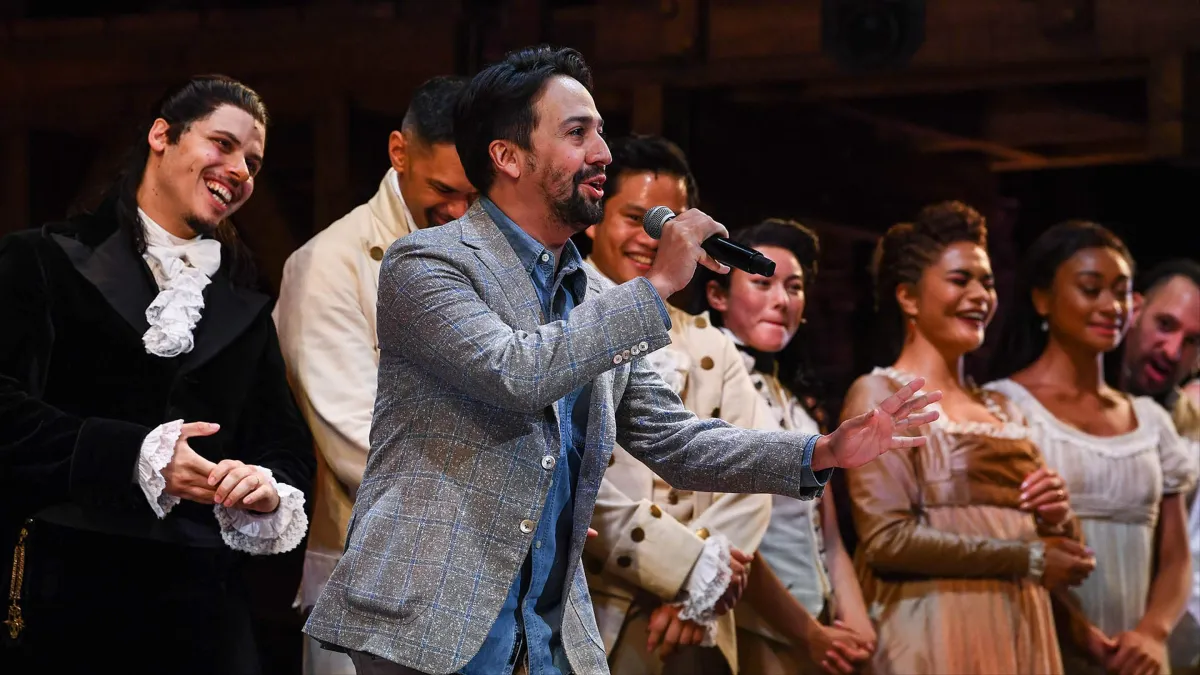 Photo: Lin-Manuel Miranda, via cdn.concreteplayground.com
The pressure on understudies in hit shows is insane. They have to be ready to perform at a moment's notice, often with minimal rehearsal time, in front of audiences who paid premium prices to see the original star. When they nail it, though? That's when legends are born.
Some of Broadway's biggest stars got their break this way, turning emergency casting into career-defining moments. The original stars, meanwhile, have to watch from the sidelines as their replacement gets standing ovations in "their" role.
TV Recasting: When Shows Get Better After Losing Their Star
Television recasting is its own special brand of chaos. Sometimes it's scheduling conflicts, sometimes it's creative differences, and sometimes it's just that the chemistry isn't working. But occasionally, showrunners strike gold with their second choice.
The most famous example might be when the original pilot for "Cheers" featured a different bartender entirely. The replacement? Ted Danson as Sam Malone, who turned what could have been a forgettable sitcom into an 11-season cultural institution. The original actor probably still gets asked about it at parties.
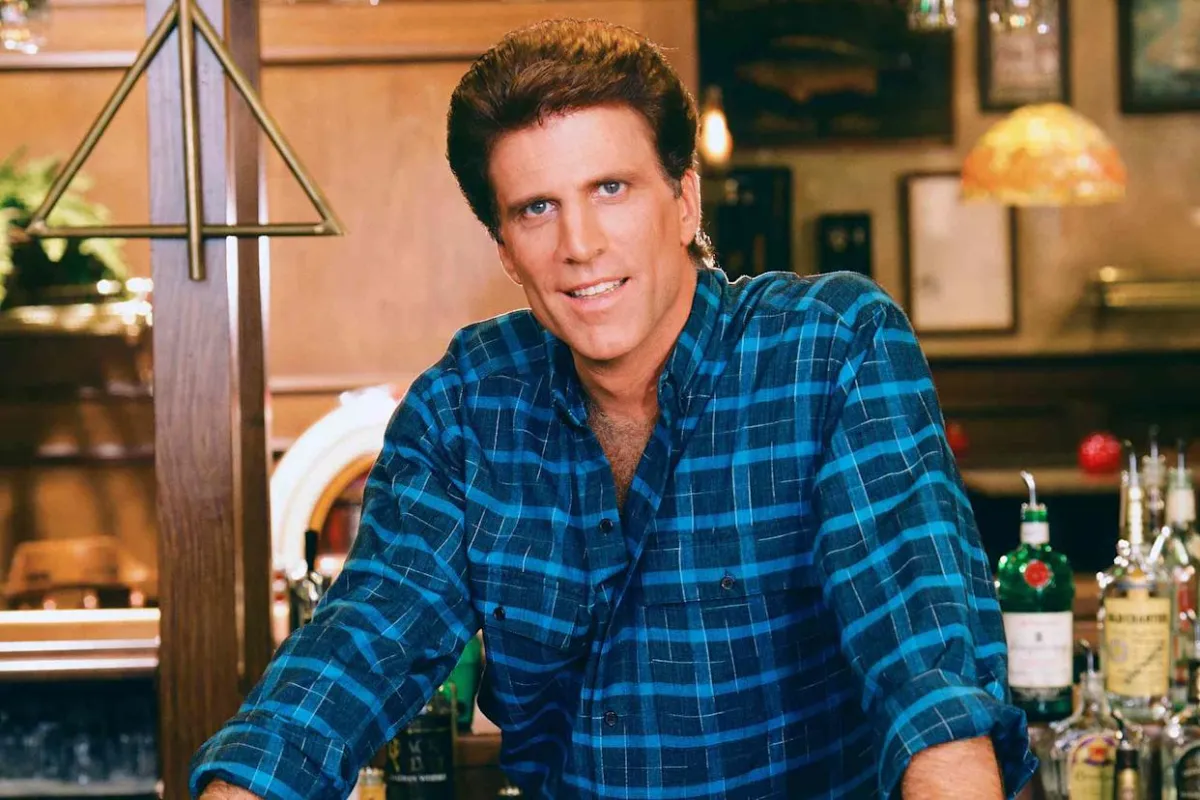 Photo: Ted Danson, via s.yimg.com
Then there's the phenomenon of mid-series recasting that actually improves the show. When actors leave hit series and their replacements somehow make the show even better, it creates this weird dynamic where fans start preferring the "new" version. The original actors have to watch their former colleagues win awards and get praised for "revitalizing" a show they helped create.
The Music Industry's Ultimate Backup Singers
The music world has its own version of this phenomenon, usually involving tour replacements who end up outshining the headliner. When major artists get sick, injured, or just can't handle the pressure of a massive tour, their fill-ins sometimes steal the entire show.
Some of today's biggest solo artists got their start as emergency replacements on other people's tours. They'd be brought in to cover a few songs, maybe handle background vocals, and end up getting the loudest applause of the night. Talk about awkward car rides back to the hotel.
The politics here get messy fast. Tour contracts, management relationships, and fan loyalty all get complicated when the replacement starts trending on social media while the original artist is watching from backstage.
The Psychology of Replacement Success
What makes these replacement success stories so fascinating isn't just the talent involved — it's the weird psychology of lowered expectations. When audiences show up expecting to be disappointed by a last-minute substitute, even a good performance can feel revelatory.
There's also the hunger factor. Replacement performers often bring a desperation and gratitude that translates into electric performances. They know this might be their only shot, so they leave everything on the stage, screen, or recording booth.
Meanwhile, the original performers have to navigate the bizarre experience of watching someone else succeed in "their" role. Some handle it gracefully, publicly supporting their replacement and celebrating the project's success. Others... don't.
When Timing Is Everything
Sometimes the replacement succeeds not because they're necessarily better, but because they're right for the moment. Cultural timing, audience mood, and industry trends all play a role in determining whether a performance lands or flops.
The original performer might have been perfect for the role as initially conceived, but by the time filming or rehearsals actually begin, the project needs something different. The replacement brings that new energy, and suddenly everyone's pretending this was always the plan.
The Awkward Aftermath
The entertainment industry loves a good redemption story, but it's less comfortable with replacement success stories. How do you celebrate someone's career-making break when it came at another performer's expense? How do you handle award season when the nominated performance only exists because someone else dropped out?
These situations create lasting tension in Hollywood circles. Original performers might publicly congratulate their replacements while privately wondering "what if." Replacements have to balance gratitude for the opportunity with sensitivity about how they got it.
The Next Person Up Culture
What these stories really reveal is how ruthless the entertainment industry's "next person up" mentality can be. There's always someone waiting in the wings, ready to step in and potentially do it better. It's both inspiring and terrifying.
For every replacement success story, there are countless others who stepped in and quietly disappeared. The difference between career-making opportunity and career-ending failure often comes down to preparation meeting luck at exactly the right moment.
In an industry built on the myth of irreplaceable stars, these replacement success stories prove that sometimes the best person for the job is the one who wants it most — even if they weren't the first choice.
Because in Hollywood, being the backup plan doesn't mean you can't steal the whole show.